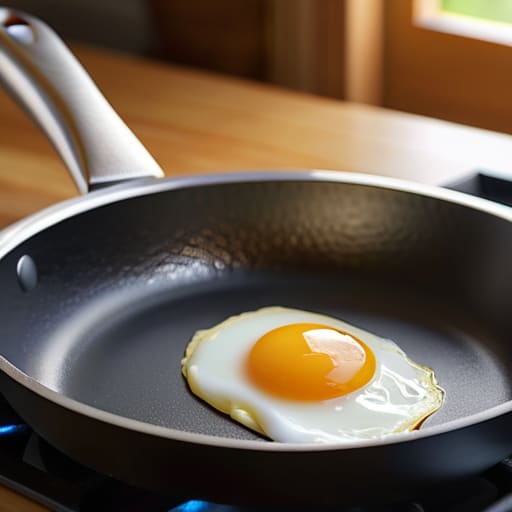
I’ve spent twenty years in commercial kitchens, and if there is one thing that makes my blood boil, it’s the way the cookware industry tries to sell you “miracle” technology every single season. I’ve seen countless home cooks walk into stores with high hopes, only to come back a month later complaining that their expensive new pan is already flaking or sticking like glue. Most of the advice you’ll find online is just a way to push more plastic junk down your throat, but you don’t need a magic wand; you just need to understand how these coatings actually work. If you’re looking for a real nonstick pan guide that doesn’t involve a sales pitch, you’ve come to the right place.
I’m not here to tell you which flashy, colorful pan will look best on your Instagram feed. My goal is to give you the straight truth about what is worth your hard-earned money and what is destined for the landfill. I’m going to walk you through the materials, the maintenance, and the hard realities of longevity so you can build a kitchen that actually functions. We are going to focus on tools that last, skipping the gimmicks and getting straight to the gear that will actually serve you for years.
Table of Contents
Ptfe vs Ceramic Nonstick Choosing Tools That Endure
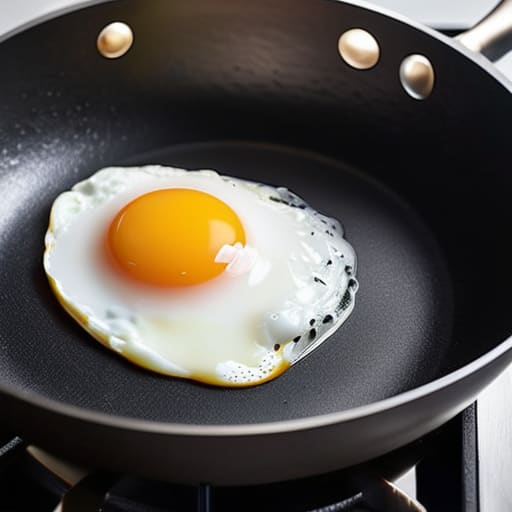
When you’re standing in the cookware aisle, you’re usually faced with a choice between the old reliable PTFE and the newer, “eco-friendly” ceramic options. I’ve seen both in commercial kitchens, and they behave very differently. PTFE—your standard Teflon—is the heavy hitter when it comes to actual release. If you want an egg to slide around without a single trace of residue, PTFE is still king. However, you have to be disciplined about safe cooking temperatures; if you crank that heat too high, you’re not just ruining the pan, you’re releasing fumes.
Ceramic is the darling of the modern home cook because it’s marketed as a non-toxic alternative, but let’s be honest: the nonstick pan lifespan on ceramic is often much shorter. It tends to lose its slickness much faster than PTFE once the mineral coating begins to degrade. If you go the ceramic route, you have to be even more careful about preventing scratches on nonstick surfaces by ditching metal utensils entirely. Neither is a “forever” tool like my cast iron, but if you know how you cook, you can pick the one that won’t frustrate you in six months.
Mastering Safe Cooking Temperatures for Longevity
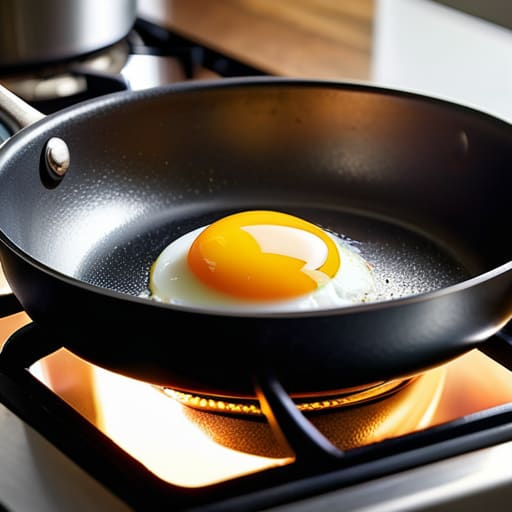
If you want to maximize your nonstick pan lifespan, you have to stop treating your pans like they can handle a commercial kitchen’s heat. Most people make the mistake of cranking the burner to high, thinking it’ll get the food cooking faster, but that’s the quickest way to ruin the coating. High heat causes the nonstick surface to degrade and can even release fumes. I always tell my clients to stick to medium heat or lower. If you see smoke, you’ve already gone too far.
Choosing your fats is just as important as the heat level. You need to be mindful of the smoke point when selecting the best oils for nonstick pans. I generally steer clear of extra virgin olive oil for high-heat tasks because it burns off too quickly and can leave a sticky residue that’s a nightmare to scrub off. Stick to something stable like avocado oil or a light grapeseed oil. If you treat your cookware with a bit of respect and keep the temperature steady, you won’t find yourself throwing a “new” pan in the trash after only six months.
Five Rules for Keeping Your Nonstick Gear Out of the Trash
- Ditch the metal. I’ve seen too many people ruin a perfectly good pan by using a steel spatula; stick to silicone or wood if you want to avoid scratching that coating to pieces.
- Stop preheating an empty pan. If you blast a dry nonstick surface over high heat, you’re essentially cooking the coating itself, which ruins the pan and fills your kitchen with fumes.
- Hand wash only. I know the dishwasher is convenient, but those high-heat cycles and harsh detergents are absolute killers for nonstick longevity. A little warm soapy water is all you need.
- Avoid the “scouring” temptation. When you see a bit of stuck-on residue, don’t reach for the steel wool. Soak it in warm water first, or use a soft sponge—anything abrasive will strip the surface.
- Know when to quit. If you notice peeling, deep scratches, or if your eggs are suddenly sticking to the center, stop trying to “save” it. It’s time to retire the pan and get a new one.
The Bottom Line on Your Nonstick Investment
Stop buying the cheap, thin pans from big-box stores; they’ll lose their coating before you even finish your first month of heavy use.
Treat your nonstick like a delicate tool rather than a workhorse—keep the heat low and never, ever use metal utensils if you want it to last.
Know when to let go; once you see peeling, scratching, or sticking that won’t go away with a good scrub, it’s time to toss it and get a replacement.
## The Hard Truth About Nonstick
“A nonstick pan isn’t a lifetime investment like a cast iron skillet; it’s a tool with an expiration date. Stop looking for the ‘perfect’ pan that lasts forever and start looking for the one that’s built well enough to actually survive your Tuesday night dinner rush.”
Rosalind Hayter
Stop Collecting, Start Cooking
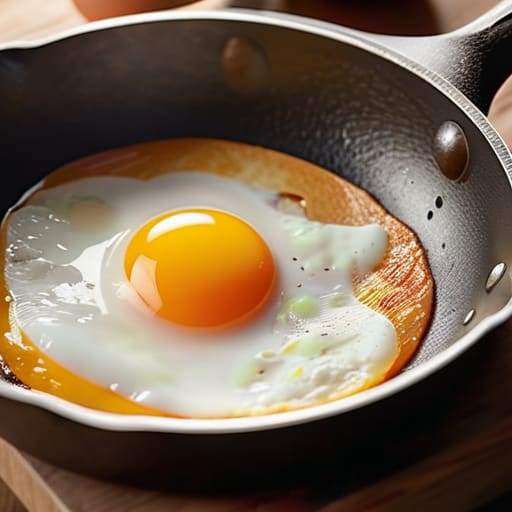
At the end of the day, picking the right nonstick pan isn’t about finding the most expensive brand on the shelf; it’s about understanding the materials you’re bringing into your home. Whether you decide on a high-quality PTFE pan for that perfect egg slide or a ceramic option because you want to avoid certain coatings, remember that maintenance is everything. If you respect the temperature limits and stop using metal utensils that gouge the surface, you’ll get years of use out of your investment. Don’t let a single bad purchase convince you that nonstick is a waste of money—just buy smart and treat your tools with respect.
My time in commercial kitchens taught me that a cluttered, poorly equipped kitchen is a recipe for stress, not good food. You don’t need a drawer full of specialized gadgets to be a great cook; you just need a few reliable pieces that you actually know how to use. A well-chosen pan, paired with disciplined habits, will serve you far better than any trendy kitchen gadget ever could. Stop worrying about what the influencers are using and focus on building a toolkit that works for your specific life. Invest in quality, keep it simple, and get back to the joy of cooking.
Frequently Asked Questions
How do I know when it's actually time to toss my nonstick pan instead of trying to save it?
Look, I’m a big believer in making things last, but there’s a line between maintenance and madness. If you see visible scratches, or if the coating is starting to flake or peel, stop using it immediately. That’s not just a ruined pan; it’s a safety hazard. Also, if eggs are suddenly sticking to the surface despite your best efforts, the coating is shot. Don’t try to “save” it—just toss it and invest in something better.
Can I use metal utensils if I'm careful, or am I just asking for trouble?
Look, I’ll be blunt: you’re asking for trouble. Even if you’re “careful,” one slip of the wrist or a heavy-handed stir is all it takes to gouge that coating. Once that surface is scratched, the pan is essentially dead weight. I’ve seen too many people ruin a perfectly good investment in a single afternoon. Stick to silicone or wood. It’s a small trade-off to ensure your gear actually lasts more than a season.
Is it really worth the extra money to buy a high-end brand, or is any decent nonstick pan good enough?
Look, I’ve seen it all in commercial kitchens: the cheap pans that lose their coating after three months and the high-end ones that stay slick for years. Is the extra cost worth it? Usually, yes. You aren’t just paying for a brand name; you’re paying for thicker, more even heat distribution and better construction. If you buy the budget stuff, you’ll be replacing it constantly. Save your money by buying one good pan once.
