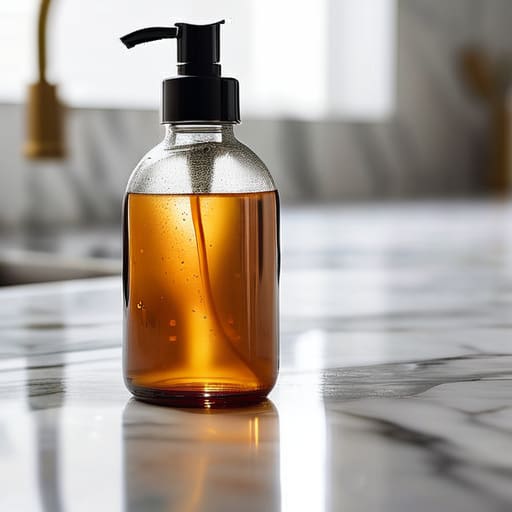
I spent two decades managing commercial kitchens where the scent of heavy-duty chemicals was constant, and if there’s one thing I learned, it’s that you don’t need a cabinet full of specialized, neon-colored liquids to get the job done. Most people walk into a grocery store and get swindled by marketing, buying a different cleaning spray for every conceivable surface—one for granite, one for glass, one for “grease”—only to end up with a cluttered mess of half-empty plastic bottles. It’s pure nonsense. You aren’t running a laboratory; you’re trying to keep a home functional, and you certainly don’t need to spend fifty dollars a month to achieve that.
I’m not here to sell you on some “miracle” solution or a trendy, scented mist that smells more like a cheap candle than a clean kitchen. Instead, I’m going to show you how to strip things back to the basics with tools that actually work. I’ll share my professional-grade approach to choosing a versatile, effective solution that respects your surfaces and your sanity. My goal is to help you build a streamlined routine that relies on substance over hype, so you can spend less time scrubbing and more time actually enjoying your kitchen.
Table of Contents
The Truth About All Purpose Cleaner Effectiveness
Here is the truth: most people treat an all-purpose cleaner like a magic wand, but that’s a recipe for a half-baked clean. In my years managing commercial kitchens, I learned that “all-purpose” is often a marketing compromise. A spray that claims to do everything usually ends up doing nothing particularly well. If you’re trying to tackle a heavy layer of baked-on grease on your stovetop with a diluted, watery solution, you’re just moving the mess around. To see real all-purpose cleaner effectiveness, you have to match the strength of the solution to the specific job at hand.
I see so many people cluttering their cabinets with twenty different bottles, thinking they need a specialized miracle for every surface. You don’t. What you actually need is a reliable disinfectant spray for home that can handle daily grime without leaving a sticky film behind. If you invest in a few high-quality, concentrated non-toxic cleaning solutions, you can dilute them for light dusting or use them full-strength for tougher spots. Stop buying the cheap, scented water in plastic bottles; buy a formula that actually cuts through the grit.
Why Non Toxic Cleaning Solutions Outperform Trendy Sprays
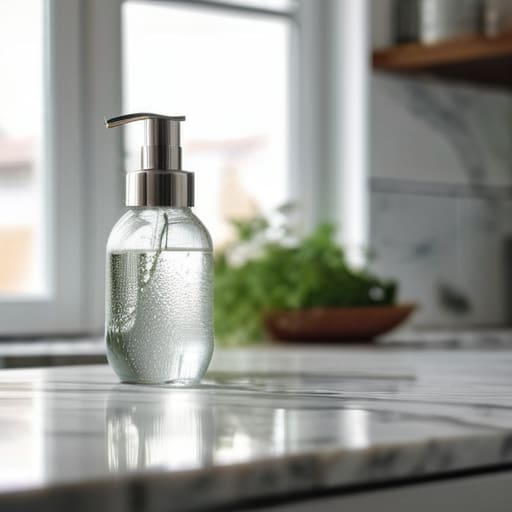
I’ve spent enough time in commercial kitchens to know that “scent” is not a substitute for “clean.” Most of those bright, neon-colored bottles you see in the grocery aisle rely on heavy perfumes to mask the smell of grime, but they don’t actually do the heavy lifting. When you switch to non-toxic cleaning solutions, you aren’t just being “green”—you’re actually cutting out the unnecessary chemical film that those trendy sprays leave behind on your countertops.
In my experience, those harsh, synthetic formulas often create a cycle of buildup that makes your surfaces feel tacky over time. By opting for simpler, more intentional ingredients, you achieve better eco-friendly surface sanitizing without the respiratory irritation that comes from inhaling artificial fragrances. You want tools that respect the materials you’ve invested in, whether it’s your marble backsplash or your reclaimed wood cutting boards. A truly effective kit relies on chemistry that works with your surfaces, not against them, ensuring your kitchen stays functional and safe for actual food preparation.
Stop Buying Bottles and Start Building a Kit
- Ditch the single-use plastic bottles. Invest in a couple of high-quality glass spray bottles—one for your daily surface cleaner and one for a heavier-duty degreaser. They won’t crack, they won’t leak, and you can actually see how much solution you have left.
- Stop chasing “scented” miracles. Most of those heavy, floral-smelling sprays are just masking dirt with perfume. If you want a clean kitchen, look for ingredients that actually break down grease and grime, not just things that make your pantry smell like a fake lavender field.
- Keep a dedicated “countertop spray” and a separate “heavy-duty spray.” I see people trying to scrub baked-on grease with a gentle citrus spray and getting frustrated when it doesn’t work. Use the light stuff for daily wipe-downs and save the stronger, vinegar-based or enzyme cleaners for the stovetop.
- Microfiber is your best friend, but don’t overcomplicate it. A good cleaning spray is only as effective as the cloth you use to apply it. Skip the cheap, paper-thin rags that just smear the dirt around; get some thick, reusable microfiber cloths that can actually lift the grime away.
- Label everything clearly. When you start mixing your own solutions—which you should be doing—don’t rely on memory. Use a permanent marker or a label maker to mark your bottles. In a busy kitchen, “clear liquid in a glass bottle” isn’t a safety plan.
My Rules for a Smarter Cleaning Cabinet
Stop buying specialized cleaners for every single surface; a solid, high-quality all-purpose solution is all you need to keep things functional without the clutter.
Invest in glass spray bottles and concentrated refills to stop the cycle of throwing away cheap, flimsy plastic that breaks after a month.
Prioritize ingredients you can actually pronounce, because if you wouldn’t want it on your food, you shouldn’t be spraying it on your counters.
## Stop Buying the Hype, Start Buying the Results
“I’ve spent two decades in commercial kitchens where we didn’t have time for scented-up water in a fancy bottle; you don’t need a dozen specialized sprays to keep a kitchen clean, you just need one reliable solution and the discipline to use it properly.”
Rosalind Hayter
Stop Chasing the Shiny Bottle
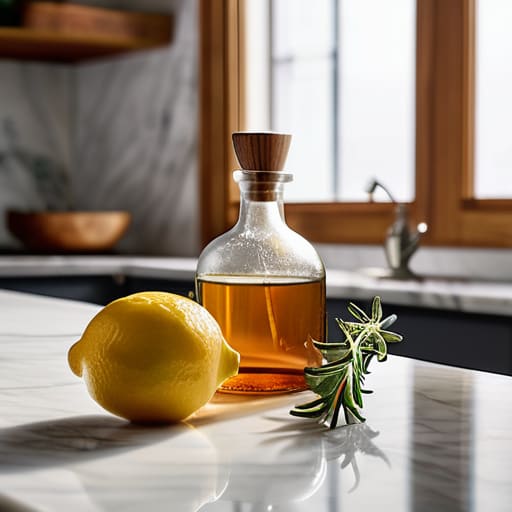
At the end of the day, cleaning your kitchen shouldn’t feel like a chemistry experiment or a constant trip to the grocery store for more plastic refills. We’ve covered why those flashy, scented all-purpose sprays are often just overpriced water and why leaning into simpler, non-toxic ingredients is actually the smarter way to manage your space. You don’t need a cabinet full of specialized liquids for every single surface; you need a few reliable, effective tools and the right approach. Remember, a clean kitchen isn’t about having the most expensive arsenal—it’s about investing in quality over quantity and choosing solutions that actually do the work without leaving a trail of waste behind them.
I want you to look at your cleaning routine not as a chore to be rushed through, but as a way to respect the tools and the food you prepare in your home. When you ditch the disposable junk and settle into a rhythm with sustainable, long-lasting essentials, you’re doing more than just wiping down a counter. You are building a kitchen that functions with intention. Stop letting the marketing hype dictate your habits. Grab a glass bottle, mix up something that works, and focus on the habits that last, because a well-run kitchen starts with the decisions you make every single day.
Frequently Asked Questions
Is it actually worth the extra money to buy glass bottles instead of the cheap plastic ones from the grocery store?
Look, I’ve seen enough commercial kitchens to know that cheap plastic is a recipe for frustration. Those grocery store spray bottles are flimsy, the triggers fail within a month, and they leach chemicals into your solutions. It’s a waste of money. Invest in heavy-duty glass. It won’t degrade, it’s easier to sanitize, and you can reuse it for a lifetime. Stop buying disposables; buy once, buy well, and stop the clutter.
Can I really get a deep clean using just vinegar and water, or am I going to be scrubbing forever?
Look, I’ll give it to you straight: if you’re expecting a miracle overnight, you’re going to be disappointed. Vinegar and water won’t melt through years of baked-on grease on a stovetop like a harsh chemical might. But for your daily wipe-downs and keeping surfaces fresh without leaving a film of synthetic fragrance behind? It’s perfect. Just don’t use it on stone. Use it for the maintenance, and save the heavy-duty scrubbing for the rare deep cleans.
How do I know which surfaces in my kitchen are actually safe for natural cleaners versus when I might need something stronger?
It comes down to the finish. For sealed granite, quartz, or stainless steel, a simple vinegar-water mix or mild castile soap is your best friend. They’re gentle enough to avoid etching the stone. However, if you’re tackling heavy grease on a stovetop or grime in a sink, you might need to step up to a citric acid-based cleaner. Just remember: if it’s porous or unsealed wood, keep the acids far away.
