I’ve spent two decades in commercial kitchens, and if there is one thing that drives me up the wall, it’s seeing people spend fifty dollars on a “designer” set of nesting mixing bowls that are nothing more than colorful, flimsy plastic. I remember a catering gig early in my career where a junior chef tried to whip up a heavy meringue in one of those lightweight, hollow-bottomed bowls; the whole thing slid across the prep table like a hockey puck, and we lost half the batch. It was a mess, but it was a preventable mess. You don’t need a gadget with a silicone base or a trendy pattern to make a decent cake; you just need tools that actually behave when you’re in the middle of a recipe.
In this guide, I’m going to strip away the marketing fluff and tell you exactly what you should be looking for. I’ll be sharing my no-nonsense criteria for choosing mixing bowls that will actually survive a lifetime of heavy use, from heavy-duty stainless steel to high-quality glass. I’m not here to sell you on a lifestyle; I’m here to help you build a functional kitchen that works as hard as you do.
Table of Contents
- The Lasting Glass Mixing Bowl Benefits You Need
- Why Non Reactive Kitchenware Is a Non Negotiable Investment
- Five Rules for Choosing Bowls That Won't End Up in a Landfill
- The Bottom Line on Your Mixing Bowl Investment
- The Real Cost of Cheap Kits
- Making the Right Choice for Your Kitchen
- Frequently Asked Questions
The Lasting Glass Mixing Bowl Benefits You Need
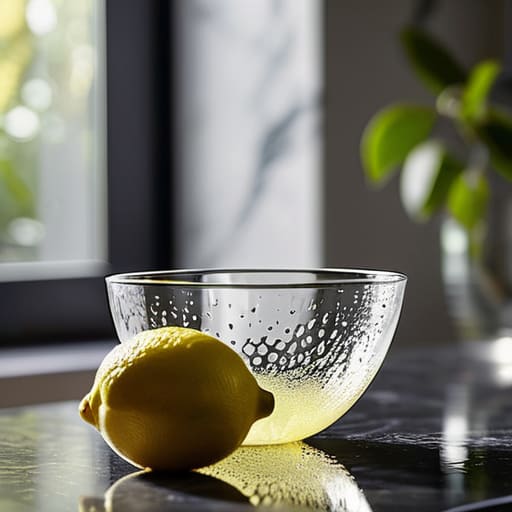
If you ask me, glass is the unsung hero of a functional kitchen. After years of managing commercial prep stations, I learned that you can’t trust materials that hold onto odors or change the flavor of your food. That’s where the real glass mixing bowl benefits come into play. Unlike plastic, which is porous and eventually stains from every tomato sauce you’ve ever made, glass is truly non-reactive kitchenware. You can zest a lemon, mix a heavy marinade, or prep a delicate meringue in the same vessel without worrying about chemical transfers or lingering smells.
Beyond the hygiene factor, there is a practical weight to glass that I find indispensable. When you’re whisking a heavy batter, you need a bowl that stays put on the counter. Plastic tends to slide and skitter around, which is a recipe for a mess. A solid glass piece provides a stable base that feels substantial under your hands. While some people swear by silicone measuring bowls for their flexibility, I still find myself reaching for glass when I need something that can go from the fridge to the oven without a second thought. It’s about investing in tools that don’t need replacing every two years.
Why Non Reactive Kitchenware Is a Non Negotiable Investment

If you’ve ever made a marinade with lemon juice or a vinaigrette with vinegar in a cheap, reactive metal bowl, you know exactly what I’m talking about. That metallic, off-flavor isn’t just unpleasant; it’s a sign that the acid is literally eating away at the surface of your equipment. This is why investing in non-reactive kitchenware is a non-negotiable for anyone who actually cares about the flavor of their food. When you use high-quality glass or heavy-duty stainless steel, you aren’t just protecting your tools; you are protecting the integrity of your ingredients.
In my years managing commercial kitchens, I saw far too many home cooks ruin a perfectly good meal because they used the wrong vessel for acidic prep. You want tools that stay neutral, no matter what you’re tossing in them. While some people swear by silicone measuring bowls for their flexibility, they don’t offer the same structural reliability or chemical neutrality as glass or steel. If you want your kitchen to be a place of precision rather than guesswork, stop settling for materials that change the taste of your hard work.
Five Rules for Choosing Bowls That Won't End Up in a Landfill
- Ditch the nesting sets that don’t actually nest. There is nothing more frustrating than a cabinet full of mismatched plastic bowls that won’t stack properly, wasting precious real estate. Look for sets designed with uniform proportions so they tuck away neatly.
- Prioritize weight and stability. If you’ve ever tried to whisk heavy cream in a lightweight, flimsy bowl that slides across the counter like a hockey puck, you know the struggle. I always look for a bit of heft—either through thick glass or heavy-duty stainless steel—to keep things steady while I work.
- Check the rim design. If you’re buying stainless steel, make sure the rims are smooth and rounded. Cheaply made bowls often have sharp, crimped edges that make pouring liquids a messy ordeal and can actually nick your hands if you aren’t careful.
- Avoid the “gadget” trap. You do not need a bowl with a built-in digital scale or a silicone suction base that’s impossible to clean. Stick to simple, high-quality vessels. If the bowl has too many “features,” it’s usually just more plastic for you to scrub later.
- Size matters more than you think. Most people buy a set of six bowls when they really only need three specific sizes: a small one for whisking eggs, a medium one for prep, and one large, heavy-duty bowl for mixing dough or tossing salads. Don’t let a retailer talk you into a massive set of junk you’ll never touch.
The Bottom Line on Your Mixing Bowl Investment
Stop the cycle of replacing cracked plastic; choose glass or stainless steel that can handle heavy use and high heat without warping or staining.
Prioritize non-reactive materials like tempered glass to ensure your food tastes like the ingredients you used, not the container they sat in.
Focus on durability and utility over trendy colors or unnecessary features—a bowl’s job is to hold weight and stay steady, nothing more.
The Real Cost of Cheap Kits
“I’ve seen too many people clutter their cabinets with sets of five flimsy plastic bowls that warp, stain, and crack within a year. If you aren’t buying bowls that can handle a heavy dough or a hot sauce without losing their shape, you aren’t investing in a kitchen—you’re just managing a landfill.”
Rosalind Hayter
Making the Right Choice for Your Kitchen
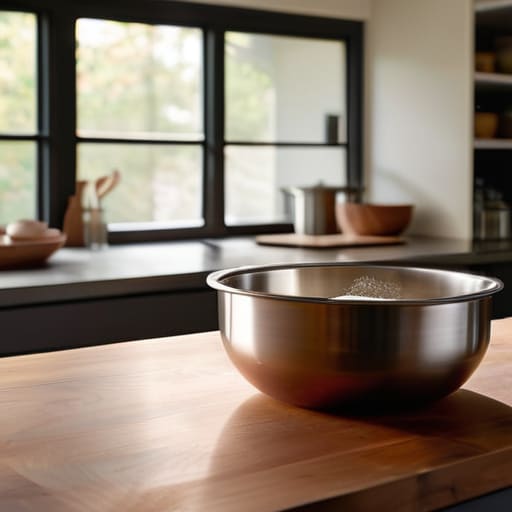
At the end of the day, choosing the right mixing bowls isn’t about having a dozen different sets cluttering your cabinets; it’s about selecting a few pieces that actually perform. Whether you opt for the heavy-duty reliability of stainless steel or the non-reactive, easy-to-clean versatility of tempered glass, remember that quality outweighs quantity every single time. Avoid the temptation to buy those cheap, colorful plastic sets that stain with tomato sauce and warp in the dishwasher. If you invest in materials that can handle the heat and the weight of a heavy dough, you are buying tools, not clutter.
A well-equipped kitchen is the foundation of a good life, and that starts with the small, fundamental items you touch every single day. When you stop chasing kitchen trends and start focusing on functional durability, you reclaim your space and your sanity. Don’t let your kitchen work against you with flimsy gear that fails when you need it most. Build your collection piece by piece, focus on the essentials, and I promise you’ll find that cooking becomes a lot more enjoyable when you aren’t fighting your equipment. Now, grab that notebook, plan your setup, and let’s get to work.
Frequently Asked Questions
Is it worth the extra weight to go with stainless steel over lightweight glass?
If you’re asking if the weight is worth it, the answer is a resounding yes. Glass is fine for a quick salad, but in a working kitchen, stainless steel is king. It won’t shatter if you drop it on a tile floor, and it’s much easier to stack in a crowded cabinet. That extra weight translates to durability. You aren’t just buying a bowl; you’re buying something that won’t end up in a landfill next year.
How do I know if a bowl is truly non-reactive or if it’s going to mess with my ingredients?
Look, it’s simpler than the marketing makes it sound. If you’re working with high-acid ingredients—think lemon juice, vinegar, or even a heavy tomato sauce—and you use a reactive metal like aluminum or unlined copper, you’ll taste it. It leaves a metallic tang in your food. If the bowl is stainless steel or glass, you’re safe. If you aren’t sure, stick to steel. It’s the most reliable way to ensure your flavors stay pure.
Can I actually stack these different materials together, or am I going to end up with a cluttered, mismatched mess in my cabinets?
Look, I get it. You don’t want your cabinets looking like a junk drawer exploded. You can absolutely mix materials, but you have to be intentional. I usually nest my stainless steel bowls inside one another to save space, then tuck my glass bowls in a separate stack to avoid breakage. The trick is to buy sets that share similar proportions. If you stick to a few quality materials, it looks like a curated collection, not a mess.
