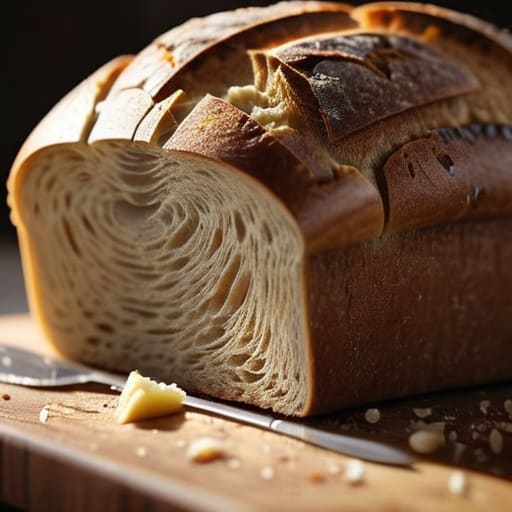
I spent twenty years in commercial kitchens where efficiency wasn’t a luxury—it was a requirement. I’ve seen countless home cooks spend fifty dollars on a flashy, serrated gadget that looks beautiful in a catalog but performs like a butter knife the moment it hits a sourdough crust. Most of these “designer” options are just expensive junk masquerading as professional gear. If you are still struggling to slice through a simple baguette without crushing the airy center into a sad, dense pancake, you don’t need a fancy set of twenty knives; you just need a properly forged bread knife that actually has some weight behind it.
I’m not here to sell you on the latest kitchen trend or convince you that a gold-plated blade will make you a better baker. My goal is to cut through the marketing noise and help you find a tool that will last a lifetime. I’m going to show you exactly what to look for in terms of blade length, handle grip, and steel quality so you can stop wasting money on replacements every six months. Let’s get your kitchen working for you, starting with the one tool you actually need.
Table of Contents
Why Precision Bread Slicing Matters for Your Sourdough
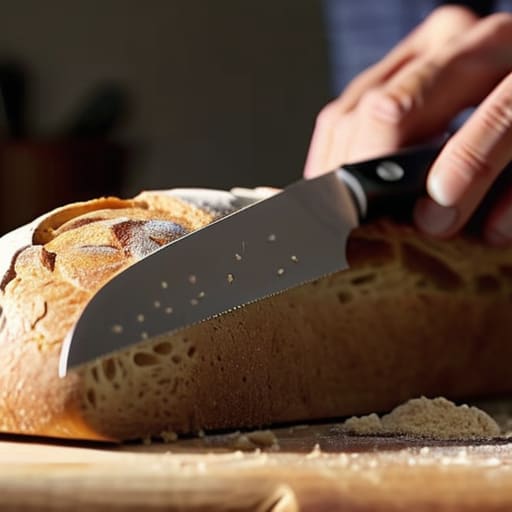
There is nothing quite as heartbreaking as spending three days nurturing a sourdough starter, only to watch your hard work collapse into a mangled, squashed mess the moment you try to slice it. When you’re slicing sourdough bread, you aren’t just cutting through dough; you are navigating a structural masterpiece with a delicate, airy crumb and a stubborn, caramelized crust. If your blade is dull or lacks the right teeth, you end up crushing those beautiful air pockets instead of separating them.
To get that clean, professional cross-section, you need precision bread slicing that respects the loaf’s integrity. A proper tool allows the teeth to saw through the hard exterior without applying downward pressure that ruins the interior texture. I’ve seen too many home bakers try to use a standard chef’s knife for this, only to end up with a dense, gummy slab. If you want to honor the fermentation process, you have to use the best knife for crusty loaves—one that bites into the crust and glides through the center without a fight.
The Truth About Stainless Steel Cutlery and Lasting Value
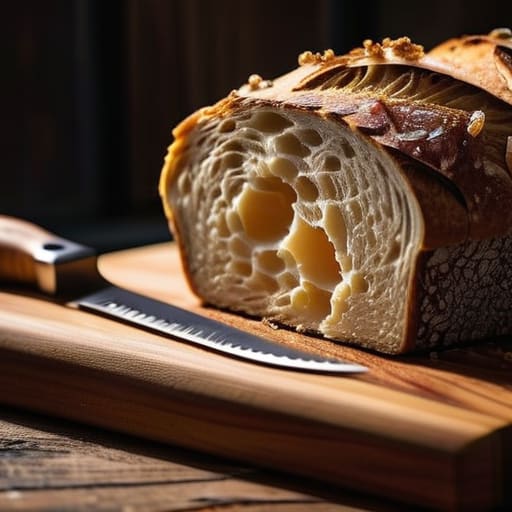
I’ve seen too many people walk into a kitchen supply store and get lured in by those flashy, colorful sets that look great in a catalog but feel like toys in your hand. Most of that cheap, stamped metal won’t hold an edge for more than a month of regular use. If you’re serious about your kitchen, you need to invest in high-quality stainless steel cutlery that actually has some weight to it. I always tell my clients: if it feels flimsy in your palm, it’s going to fail you when you’re trying to get through a dense, artisanal boule.
When you opt for forged steel, you aren’t just buying a tool; you’re buying decades of reliability. A decent blade is an investment in your sanity. Instead of constantly fighting a dull edge, a quality tool makes slicing sourdough bread feel effortless rather than a workout. You also have to consider long-term upkeep. While some people fear maintenance, proper serrated edge maintenance is actually quite straightforward if you have a tool worth caring for. Don’t settle for disposable junk that ends up in a landfill by next Christmas.
Five Rules for Choosing a Knife That Actually Works
- Ignore the serrated “scalloped” blades that look like tiny saw teeth; they tend to tear the soft crumb of a good loaf. Look for a traditional straight-serrated edge that bites into the crust without shredding the inside.
- Weight matters more than you think. A knife that feels like a feather in your hand will bounce off a hard sourdough crust. You want something with enough heft to let the blade do the work so you aren’t straining your wrist.
- Check the bolster and the tang. If the blade isn’t full-tang—meaning the metal runs all the way through the handle—it’s going to feel wobbly and cheap. A solid, continuous piece of steel is what you want for balance and longevity.
- Avoid the “set” trap. Don’t buy a 20-piece knife block just because it’s on sale at a big-box store. Most of those knives are filler. Spend that same money on one high-quality, forged bread knife instead.
- Test the grip before you commit. In a kitchen, things get messy. If the handle is smooth plastic that turns into a slip-hazard the second your hands get a little flour or moisture on them, put it back on the shelf.
The Bottom Line on Your Next Blade
Stop buying those cheap, serrated sets that lose their edge after three loaves; invest in a single, high-quality forged blade that actually bites into the crust.
A good bread knife isn’t a luxury—it’s a tool that prevents you from crushing your hard work into a pile of crumbs.
Prioritize weight and handle stability over flashy designs; if the knife feels unbalanced in your hand, it’s going to be a chore to use, no matter how sharp it claims to be.
The Cost of a Cheap Blade
“I’ve seen too many people spend forty dollars on a beautiful, artisanal loaf only to crush it into a mess with a dull, serrated blade that belongs in a junk drawer. A real bread knife isn’t a luxury; it’s the difference between enjoying your hard work and wasting it.”
Rosalind Hayter
Investing in Your Kitchen Habits
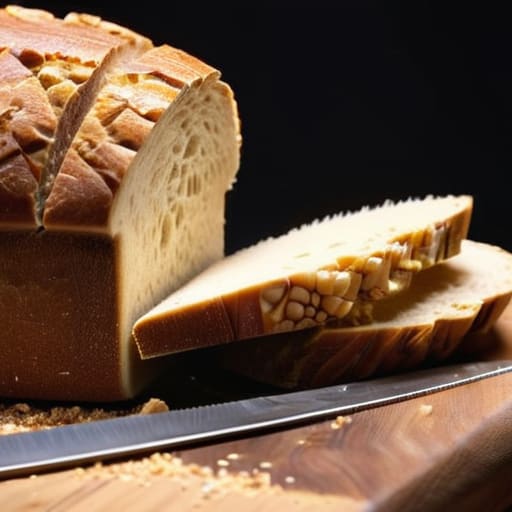
At the end of the day, choosing the right bread knife isn’t about collecting more silverware; it’s about respecting the effort you put into your baking. We’ve talked about why a serrated edge is non-negotiable for a crusty sourdough and why you should steer clear of those flimsy, stamped-metal sets that lose their teeth after three months. If you invest in a high-quality, forged blade, you aren’t just buying a tool—you are investing in your daily workflow. A proper knife prevents the crushed crumb and wasted loaves that come from fighting your equipment, ensuring that your hard work in the kitchen actually shows up on the plate.
My advice is simple: stop chasing the latest kitchen gadget trends and start focusing on foundational quality. A single, well-made bread knife that you maintain properly will outlast a dozen cheap replacements and serve you for decades. When you stop worrying about whether your tools are going to fail you, you can finally focus on what actually matters: the smell of fresh bread and the joy of sharing a meal. Build a kitchen that supports your craft, buy things that actually last, and let the tools do the heavy lifting so you can get back to the cooking.
Frequently Asked Questions
How often do I actually need to sharpen a serrated blade compared to my chef's knife?
Look, I get the confusion, but they require different approaches. You’ll find yourself honing your chef’s knife much more frequently—think every few weeks if you’re a daily cook—to maintain that razor edge. A serrated bread knife is a different beast. Because those teeth are designed to saw through tough crusts, they hold their “edge” longer. Don’t go hacking at it with a whetstone; just use a honing rod occasionally and keep it clean.
Is there really a difference between a cheap serrated knife from a big-box store and a forged one, or is it just marketing?
It’s not marketing; it’s physics. A big-box serrated knife is usually stamped from a thin sheet of metal. They’re light, flimsy, and the teeth dull almost immediately because the steel lacks density. A forged knife has weight and a continuous grain. When you saw through a crust, that extra heft does the work for you, rather than you wrestling the blade. One is a disposable tool; the other is an investment.
Should I be looking for a long blade for sandwich slicing, or is a shorter one better for crusty artisan loaves?
Don’t get caught in the middle with a knife that’s too short. If you’re slicing through those hard, artisan crusts, you need length. A longer blade—at least 9 or 10 inches—allows you to use a smooth, sawing motion without putting downward pressure that crushes your beautiful crumb. A short blade is fine for a quick snack, but for real loaves, go long. It gives you the leverage and reach you need to slice clean every single time.
