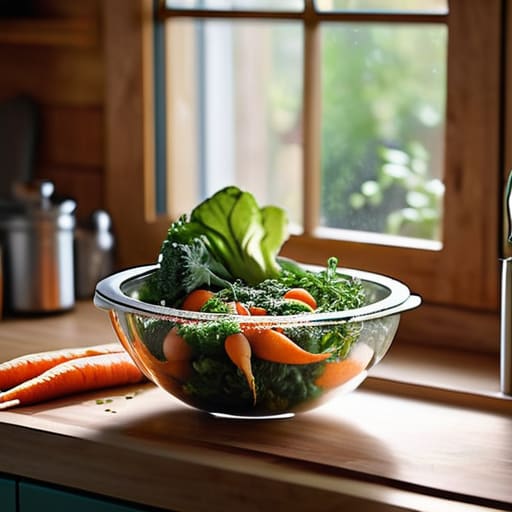
I spent two decades in commercial kitchens where every second mattered, and if there is one thing that drives me up the wall, it’s seeing people buy a dozen specialized gadgets that end up gathering dust in a dark cabinet. Most people treat their food processor like some high-tech mystery box, buying it for one specific recipe and then letting it become a glorified paperweight. They get caught up in the marketing hype instead of understanding the actual, practical food processor uses that make a kitchen run smoothly. If you aren’t using it to shave time off your prep work or to achieve textures you simply can’t get by hand, you aren’t using it right; you’re just cluttering your countertops.
I’m not here to sell you on some fancy, complicated culinary technique that requires a degree to master. My goal is to show you how to make this machine work for you, not the other way around. I’m going to share the heavy-duty, no-nonsense ways I used a processor to manage massive catering prep, translated for your home kitchen. We’re going to focus on the tasks that actually matter—the ones that save your wrists and your sanity—so you can finally stop fighting your equipment and start actually cooking.
Table of Contents
- Mastering the Art of Making Homemade Hummus
- Quick Vegetable Slicing Tips for Real Cooks
- Five Ways to Stop Treating Your Food Processor Like a Paperweight
- The Bottom Line on Your Food Processor
- Stop Collecting Gadgets and Start Using Your Tools
- Stop Overthinking Your Countertop
- Frequently Asked Questions
Mastering the Art of Making Homemade Hummus
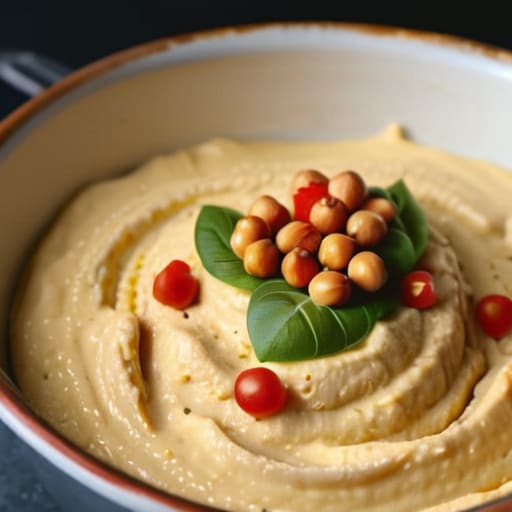
If you’re still buying those overpriced, flavorless tubs of pre-made dip from the grocery store, you’re doing it wrong. Making homemade hummus is one of those simple tasks that feels like a chore until you realize how much better it tastes when you control the ingredients. I always tell my clients: don’t bother with a hand mixer or a blender that struggles with thick textures. You need the heavy-duty power of a real machine to get that silky, restaurant-quality finish.
The trick isn’t just throwing chickpeas in a bowl; it’s about the technique. Start by processing your tahini and lemon juice first to ensure everything is perfectly incorporated. Once you add your garlic and spices, let the machine do the heavy lifting. If you find the mixture is too thick, add ice-cold water a tablespoon at a time. This is a masterclass in emulsifying sauces and dressings—it creates that airy, light texture that makes people wonder why you ever bought the store-bought version. It’s efficient, it’s cheap, and it actually tastes like real food.
Quick Vegetable Slicing Tips for Real Cooks
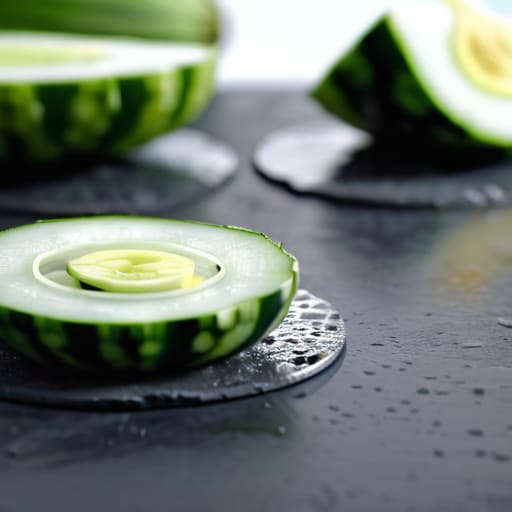
If you’re still standing over a cutting board hand-slicing cucumbers for a salad or onions for a mirepoix, you’re working harder than you need to. I’ve seen too many people let their processors gather dust because they think the slicing disc is just for show. In a professional kitchen, speed is everything, and your home setup should mimic that efficiency. When you use the slicing disc, you aren’t just saving time; you’re ensuring uniformity, which is the secret to even cooking.
To get the most out of your machine, don’t just toss vegetables in blindly. Use the pusher—and I mean actually use it—to keep your fingers away from the blades and maintain a steady rhythm. If you’re prepping for a large batch of soup or a tray of roasted vegetables, these quick vegetable slicing tips will turn a twenty-minute chore into a two-minute task. Just remember to keep your vegetables relatively firm; if they’re too soft or wilted, they’ll just turn into mush against the blade. It’s about working smarter, not just faster.
Five Ways to Stop Treating Your Food Processor Like a Paperweight
- Stop hand-chopping nuts for your salads or crusts. Toss them in the processor for five seconds to get a consistent, coarse grind that actually holds a pie crust together.
- Use it to make your own pesto or herb oils. If you buy the stuff in those little plastic tubs, you’re paying for preservatives and water; making it fresh takes two minutes and tastes twice as good.
- Don’t bother with a mandoline if you’re making a large batch of coleslaw or hash browns. Use the slicing disc to get uniform pieces in bulk so you aren’t stuck standing at the counter for twenty minutes.
- Make your own breadcrumbs from stale crusts. It’s a waste of money to buy those stale bags at the grocery store when you can turn your leftover sourdough into high-quality crumbs in one quick pulse.
- Tackle heavy doughs like pizza or biscuit dough. If your machine has a dough blade, use it. It’s much more efficient than fighting with a stand mixer or getting your hands messy with a rolling pin.
The Bottom Line on Your Food Processor
Stop treating your processor like a novelty; it’s a workhorse meant for heavy lifting, from thick dips to bulk vegetable prep.
Invest in a machine with a motor that actually has some weight to it—if it rattles or smells like it’s struggling, it’s just more plastic junk for the landfill.
Efficiency isn’t about how many buttons you press, but about using the right blade for the job so you aren’t fighting your equipment every single night.
Stop Collecting Gadgets and Start Using Your Tools
A food processor shouldn’t just be another piece of plastic cluttering your countertop; it should be the workhorse that actually earns its keep by doing the heavy lifting so you can spend less time chopping and more time actually enjoying your meal.
Rosalind Hayter
Stop Overthinking Your Countertop
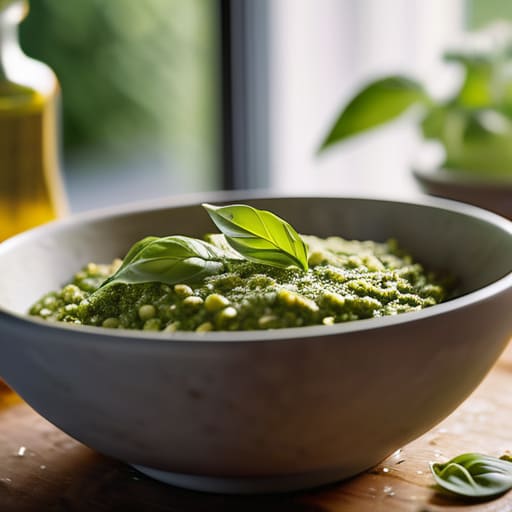
At the end of the day, a food processor shouldn’t be a dusty ornament taking up prime real estate in your cabinets. We’ve looked at how it can turn a pile of chickpeas into smooth hummus and how it can shave minutes off your prep time with consistent vegetable slicing. Whether you are tackling a massive batch of pesto or just trying to get through a week of meal prep without losing your mind, the goal is the same: efficiency without the headache. If you invest in a machine with a motor that actually has some teeth, you aren’t just buying a gadget; you are buying back your time and reducing the friction between you and a home-cooked meal.
My advice is to stop waiting for a special occasion to use your tools. A kitchen is meant to be used, and it is meant to be a little bit loud sometimes. Don’t let the fear of a complicated cleanup stop you from utilizing the heavy-duty gear you worked hard to buy. Use the machine, embrace the prep, and focus on the joy of the ingredients rather than the chore of the cutting board. Once you build the habit of letting your tools do the heavy lifting, you’ll realize that good cooking is about rhythm, not just recipes. Now, go clear some space on that counter and get to work.
Frequently Asked Questions
Can I actually use my food processor for dough, or will it just overheat the motor?
You can absolutely use it for dough, but don’t treat it like a heavy-duty stand mixer. I’ve seen plenty of people burn out motors by trying to knead a massive batch of bread all at once. Use the dough blade if your model came with one, work in smaller batches, and keep an eye on the temperature. If the base feels hot, stop. It’s a tool, not a workhorse that can do anything indefinitely.
Is it worth investing in a high-end model, or can I get the job done with a cheaper version?
Look, I’ve seen enough $30 plastic machines end up in the landfill to know the difference. If you’re just making a quick salsa once a week, a budget model might suffice. But if you actually plan to use it—for heavy doughs, thick nut butters, or large batches of veggies—buy the high-end version. You want a motor with actual torque and a bowl that won’t crack. Buy it once, buy it right, and stop replacing junk.
How do I clean all those tiny crevices without spending half my evening scrubbing?
Don’t go at it with a toothbrush and a prayer; you’ll lose your mind. Instead, soak the blade and the base in a bowl of warm, soapy water immediately after use. For those stubborn, narrow crevices in the lid, use a small nylon dish brush or even a dedicated cleaning brush from a pastry kit. It’s much faster than scrubbing by hand, and it actually gets the grit out without the headache.
