
I spent two decades managing high-volume catering halls where “clean” wasn’t a suggestion, it was a requirement for survival. I’ve seen enough people spend a fortune on specialized, scented chemical sprays and expensive, single-use gadgets that promise a miracle but just end up cluttering your cabinets. Honestly, most of the advice you find online regarding tips for deep cleaning a living room is just marketing fluff designed to sell you a plastic vacuum that will break in two years. You don’t need a twelve-step ritual or a cabinet full of neon-colored liquids; you need a system that actually works without wasting your time or your hard-earned money.
I’m not here to sell you on a lifestyle brand or a trendy cleaning hack you saw on a thirty-second video. My goal is to give you the same straightforward, professional-grade approach I used to keep commercial spaces spotless: focus on the tools that last and the habits that stick. I’m going to share my most practical tips for deep cleaning a living room by focusing on real results and efficient movement. We’re going to strip away the nonsense and get your space back to a state of functional, lasting order.
Dusting High Surfaces and Ceiling Fans for Clarity
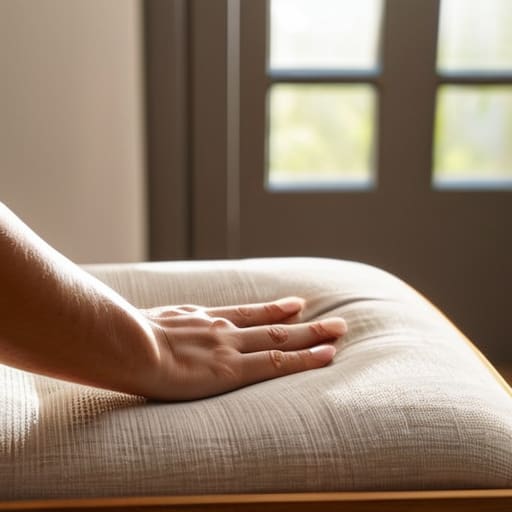
When you’re tackling the upholstery and those delicate fabric surfaces, don’t just wing it with whatever chemical spray you found under the sink. I’ve seen too many people ruin a perfectly good armchair by using the wrong pH balancer, so it’s worth doing a quick spot test first. If you ever feel stuck or need a bit of extra guidance on maintaining your home’s specific materials, I’ve found that checking in with a region chat community can be a lifesaver for getting real-world advice from people who live in similar climates and deal with the same local dust and humidity. It’s much better to ask a neighbor for their tried-and-true method than to spend a fortune replacing a piece of furniture that was perfectly salvageable with the right approach.
Most people start cleaning from the floor up, which is a mistake I see constantly. If you start with the baseboards and then move to the ceiling fans, you’re just going to drop a layer of gray silt right back onto your freshly cleaned surfaces. I always tell my clients to work from the top down. When it comes to dusting high surfaces and ceiling fans, don’t just use a flimsy feather duster that sends particles flying into the air. Grab a damp microfiber cloth or a vacuum with a long, soft brush attachment. You want to trap the dust, not relocate it to your sofa.
If you have those heavy, ornate crown moldings or high shelving, take your time. I usually keep a sturdy, non-slip step stool nearby—never a wobbly chair—to ensure I can reach every corner without a struggle. Once you’ve tackled the ceiling, you can move on to the lower levels, like deep cleaning window treatments and curtains, which tend to catch whatever missed the fan blades. It’s about building a systematic flow so you aren’t working twice as hard for the same result.
Cleaning Hardwood Floors and Rugs With Care
When it comes to cleaning hardwood floors and rugs, I always tell people to stop treating their floors like a gym mat. If you have real wood, your biggest enemy isn’t just dirt; it’s moisture and grit. I’ve seen too many people over-saturate their planks with a mop, only to end up with warped wood and ruined finishes. Instead, use a damp—not soaking—microfiber mop and a pH-neutral cleaner. For your rugs, skip the aggressive machine scrubbing that shreds fibers. I prefer a gentle vacuuming pattern, making sure to go against the grain to pull up the grit buried deep in the pile.
Once the floors are handled, don’t forget the textiles. If you’re serious about cleaning hardwood floors and rugs, you have to address the soft surfaces that trap allergens. While you’re down there, take a moment to look at your seating; removing stains from living room furniture requires patience and the right enzyme cleaner, not a frantic scrub with a wet rag. Treat your rugs and wood with respect, and they’ll stay beautiful for decades.
Beyond the Surface: Five Habits for a Truly Clean Living Space
- Stop treating your upholstery like an afterthought. I’ve seen too many people vacuum the floor but ignore the sofa. Use a handheld attachment to get deep into the crevices of your cushions; that’s where the crumbs and grit hide, slowly wearing down the fabric fibers.
- Don’t just wipe your electronics; treat them with respect. A microfiber cloth is your best friend here. Avoid those cheap, abrasive sprays that leave streaks or damage the finish. A gentle touch and the right cloth will keep your screens and consoles looking sharp without the chemical buildup.
- Tackle the “invisible” grime on your windows and glass. It isn’t just about the view; it’s about the light. Use a solution that actually cuts through the film left by dust and fingerprints, and for heaven’s sake, ditch the paper towels—they just leave lint everywhere.
- Clean your baseboards like you mean it. It sounds tedious, but if you skip them, the dust just settles right back onto your clean floors. A damp cloth and a bit of elbow grease will keep the perimeter of the room looking intentional rather than neglected.
- Audit your decor while you clean. If you’re dusting a shelf full of knick-knacks you don’t even like, you’re just moving clutter around. Use this time to decide what actually serves your space and what is just taking up room. A clean room needs breathing room, too.
Beyond the Surface
At the end of the day, deep cleaning your living room isn’t just about checking boxes on a to-do list. It’s about the systematic approach we’ve discussed—starting from the top down to clear the dust from your ceiling fans, and finishing with the proper care for your hardwood floors and rugs. When you stop rushing and actually focus on the details, you realize that maintenance is much easier than a total overhaul. By using the right tools instead of cheap, disposable wipes, you aren’t just cleaning for today; you are preserving the integrity of your home’s surfaces for the long haul.
I know it can feel overwhelming when you look at a room that has drifted into clutter, but remember that a clean space is a byproduct of consistent, intentional habits. Don’t get caught up in the trap of buying every new cleaning gadget that hits the market. You don’t need a cabinet full of plastic; you just need a solid routine and a few reliable tools that do the job right. Once the dust settles and the floors shine, take a moment to actually sit in the space and enjoy it. A well-kept home isn’t a showroom—it’s a functional sanctuary that should serve you, not demand your constant perfection.
