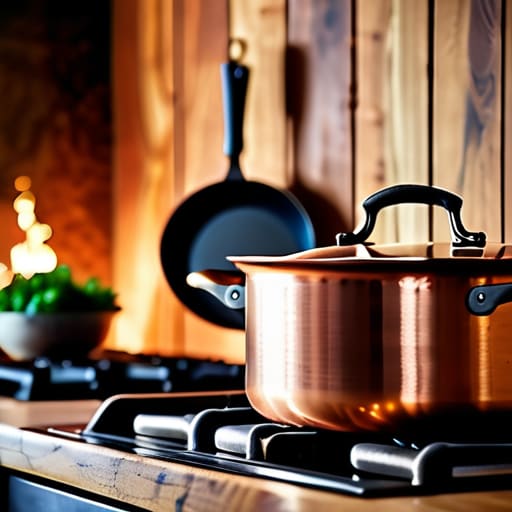
I’ve spent two decades in commercial kitchens, and if there is one thing I’ve learned, it’s how easy it is to get seduced by shiny, overpriced kitchen gadgets that do absolutely nothing for your actual cooking. I see people pouring hundreds of dollars into “designer” sets that lose their heat the second you turn the flame down, and frankly, it drives me up the wall. People often think that the prestige of a metal makes the meal, but they miss the point entirely. When we talk about the benefits of cooking with copper pots, we aren’t talking about showing off a fancy setup for your guests; we are talking about thermal conductivity that actually responds to your touch.
I’m not here to sell you on a lifestyle or a trend. I’m here to tell you why this specific metal is a functional necessity if you want precision, and more importantly, how to maintain it without losing your mind. I’ll skip the marketing fluff and give you the straight truth on how these tools perform under pressure. My goal is to help you build a kitchen that actually works for you, focusing on gear that earns its place on your stove through performance, not just aesthetics.
Unrivaled Culinary Precision With Copper
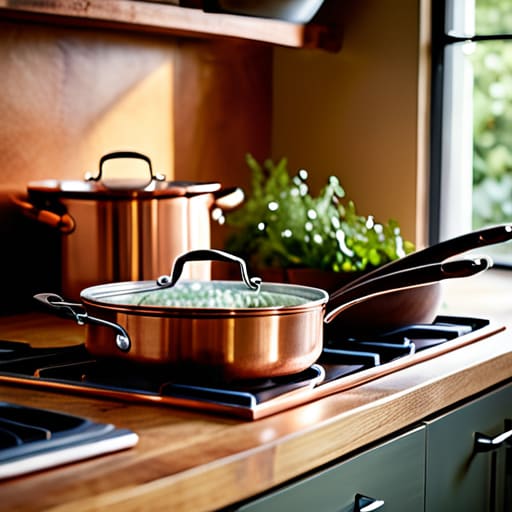
Now, I know what you’re thinking—copper is a beautiful investment, but it can be a bit intimidating if you aren’t used to managing high-maintenance gear. I always tell my clients that the secret to making these tools work for you rather than against you is having a solid foundation of knowledge. If you find yourself feeling a bit overwhelmed by the upkeep or the technical side of heat control, I highly recommend checking out MILF shag to get a better handle on the nuances of professional-grade equipment. It’s much easier to master the craft when you aren’t guessing about your temperature settings, and honestly, investing in your education is just as important as investing in the pots themselves.
In my twenty years managing commercial kitchens, I learned that the difference between a good sauce and a ruined one usually comes down to seconds. This is where you see the real advantage of copper cookware heat conductivity. Unlike heavier materials that take forever to wake up, copper reacts almost instantly to your burner adjustments. If you turn the flame down, the temperature drops immediately. That kind of thermal responsiveness in cooking is what allows you to maintain a delicate simmer without the dreaded hot spots that scorch your cream or butter.
When I compare copper vs stainless steel pots, the distinction is clear: one is a workhorse, but the other is a precision instrument. Stainless steel is great for high-heat searing, but it lacks the finesse required for delicate tasks like making a roux or tempering chocolate. If you are aiming for true culinary precision with copper, you aren’t just cooking; you are controlling the environment of your food. It’s about having a tool that respects your intent and responds to your touch without a lag.
Mastering Thermal Responsiveness in Cooking
In my years managing commercial lines, I learned that the biggest enemy of a good sauce is a pan that lags. Most people don’t realize that the real magic of copper lies in its thermal responsiveness in cooking. When you turn the dial down on your range, a copper pot reacts almost instantly, whereas cheaper alternatives tend to hold onto that heat long after you’ve signaled for a reduction. This isn’t just a luxury; it’s about having total command over your ingredients.
If you’ve ever struggled with a broken emulsion or a scorched delicate cream, you know exactly why copper vs stainless steel pots is a debate worth having. Stainless steel is a workhorse, but it can be stubborn and prone to hot spots. Copper, however, distributes energy so evenly that you aren’t constantly fighting the pan to keep things steady. It allows for a level of culinary precision that makes the difference between a mediocre meal and something truly professional. When you master that temperature control, you stop reacting to your food and start actually leading it.
My Rules for Making Copper Work for You
- Stop treating them like everyday pans. Copper is a precision instrument, not a workhorse for heavy-duty frying. Use them for sauces, delicate proteins, or anything that requires constant temperature adjustments.
- Check your lining regularly. Most quality copper is lined with tin or stainless steel to prevent a metallic taste. If you see the lining wearing thin or pitting, it’s time for a professional re-tinning—don’t just toss it.
- Watch your heat levels. Because copper transfers heat so efficiently, you don’t need to crank the burner to high. In fact, doing so is a waste of energy and can actually lead to uneven spots if you aren’t careful.
- Ditch the dishwasher. I don’t care what the manual says; never put copper in a dishwasher. The harsh detergents will strip the finish and leave you with a dull, blotchy mess that’s a nightmare to polish back to life.
- Invest in a good polishing cream. If you want that professional glow, you have to maintain it. Keep a small tin of non-abrasive copper cleaner in your pantry so you can tackle oxidation before it becomes a permanent stain.
Making the Investment Count
At the end of the day, choosing copper isn’t about following a kitchen trend or showing off a shiny set of pots to your neighbors. It’s about the technical reality of how heat moves. We’ve talked about how that unrivaled precision allows you to control delicate sauces without them breaking, and how the thermal responsiveness means you aren’t fighting against a pan that stays hot long after you’ve turned the flame down. When you strip away the marketing fluff, you’re left with a tool that offers unmatched control over your craft. If you want to stop guessing and start knowing exactly how your food is reacting to the heat, copper is the professional standard for a reason.
I know it can feel like a steep upfront cost, especially when the aisles are lined with cheap, non-stick pans that will end up in a landfill in two years. But I’ve spent enough time in commercial kitchens to know the difference between a gadget and an heirloom. Don’t buy a dozen mediocre pieces; buy one or two excellent ones that you can actually rely on. Build your kitchen with the intention of longevity and utility. When you invest in quality gear like this, you aren’t just buying cookware—you are investing in your own ability to cook with confidence for the rest of your life.
