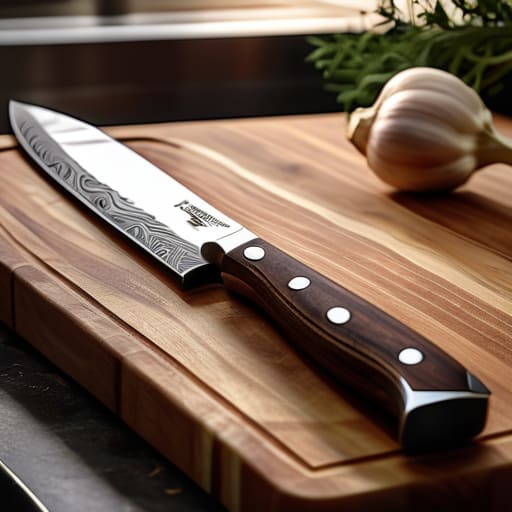
I still remember the chaos of a Saturday night service in my old catering days—the heat, the shouting, and the rhythmic thwack-thwack-thwack of prep work. In those high-pressure kitchens, you learned very quickly that a dull, cheap blade wasn’t just an inconvenience; it was a safety hazard and a total waste of time. I’ve seen too many home cooks walk into a specialty store and get talked into spending five hundred dollars on a flashy, laser-etched chef knife that looks great in a display case but feels like a heavy, unbalanced brick in your hand. You don’t need a status symbol; you need a tool that actually works.
I’m not here to sell you on the latest titanium-coated gimmick or some overpriced Japanese steel that requires a degree in metallurgy just to maintain. My goal is to cut through the marketing fluff and help you find a single, reliable chef knife that will become a permanent fixture in your kitchen for the next twenty years. I’m going to show you exactly what to look for in terms of balance, weight, and edge retention so you can stop fighting your ingredients and start actually enjoying the process of cooking.
Table of Contents
The Truth About Professional Culinary Blades vs Trendy Junk
I’ve spent enough years in commercial kitchens to know that a shiny, overpriced box set from a big-box retailer is usually nothing more than a way to drain your bank account. Most of those “starter sets” are made of cheap, soft metal that loses its edge before you’ve even finished chopping your first onion. You aren’t buying a tool; you’re buying a way to frustrate yourself every single evening.
If you want to do this right, you need to look toward professional culinary blades that are built for endurance, not aesthetics. There is a massive difference between a mass-produced blade and something forged with intent. You’ll often find yourself choosing between carbon steel vs stainless steel; while stainless is easier for most home cooks because it won’t rust if you leave it in the sink for five minutes, carbon steel offers a level of edge retention that is hard to beat. Just remember, a real tool requires respect. If you buy something high-quality, you have to be willing to put in the work to keep it sharp.
Carbon Steel vs Stainless Steel Finding Your Forever Metal
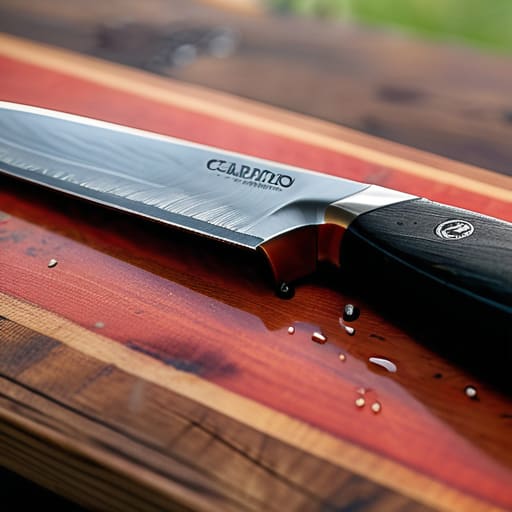
When you’re standing at your cutting board, the choice between carbon steel and stainless steel isn’t just about aesthetics; it’s about how much work you’re willing to put into your tools. I’ve seen plenty of people jump into carbon steel because they want that razor-sharp edge that holds up during heavy prep work. It’s a fantastic material for precision slicing techniques, but it isn’t “set it and forget it.” If you leave a carbon blade in the sink or even let a drop of moisture sit on it, you’re going to see patina or rust before your next meal.
On the flip side, stainless steel is the reliable workhorse for the busy home cook. It’s much more forgiving and doesn’t require constant vigilance to prevent corrosion. If you want a tool that can handle a bit of neglect without losing its integrity, stainless is your best bet. In the debate of carbon steel vs stainless steel, there is no objective winner—only what fits your lifestyle. If you have the patience for regular knife maintenance tips and a bit of oiling, carbon steel is unmatched. If you want something low-maintenance, stick with high-quality stainless.
Five Rules for Keeping Your Blade in Fighting Shape
- Stop using your chef knife like a can opener or a screwdriver. I’ve seen way too many decent blades with chipped tips because someone thought they could force it through a stubborn lid. A knife is a precision tool, not a multi-tool; use it only for slicing, dicing, and chopping.
- Hand wash only. I don’t care what the box says—put that knife in the dishwasher and you’re asking for trouble. The high heat and harsh detergents will dull the edge and eventually ruin the handle. Wash it with warm soapy water, dry it immediately with a towel, and put it away.
- Get a wooden cutting board. If you’re chopping on glass, marble, or even some of those cheap plastic mats, you’re essentially grinding your edge into dust every single time you slice. A thick, stable wood board provides the right amount of “give” to protect your steel.
- Learn the difference between honing and sharpening. A honing rod isn’t actually fixing a dull edge; it’s just realigning the microscopic teeth of the blade that get bent during use. If the knife is actually blunt, you need a whetstone or a professional service, not just a quick swipe on a rod.
- Store it properly. Leaving a knife loose in a junk drawer is a recipe for a dull blade and a sliced finger. Use a magnetic strip or a dedicated knife block to keep the edges protected and out of harm’s way. Your knives should be easy to grab and easy to keep sharp.
The Bottom Line for Your Knife Drawer
Stop chasing the latest gadget or a cheap set of twenty knives; one high-quality, well-balanced chef knife is worth more than a drawer full of dull, disposable metal.
Choose your steel based on your lifestyle—go with stainless if you want low maintenance, or embrace the character and edge of carbon steel if you don’t mind a little extra care.
A knife is only as good as the hand holding it, so prioritize how the tool actually feels in your grip over how pretty it looks in a social media ad.
The One Tool That Matters
A chef knife isn’t some status symbol to display on your magnetic strip; it’s a tool you should use until the blade is thin and the handle is worn smooth by your own hands. If it doesn’t feel like an extension of your arm, you’ve bought a gadget, not a piece of equipment.
Rosalind Hayter
Investing in Your Hands
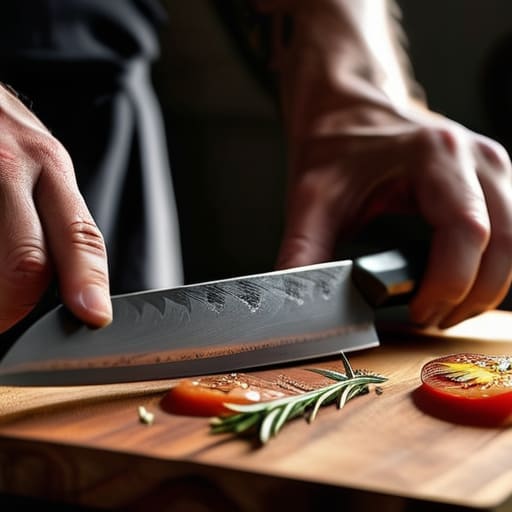
At the end of the day, choosing a chef knife isn’t about collecting a set of shiny objects to show off in a drawer. It’s about understanding the trade-offs between the low-maintenance reliability of stainless steel and the razor-sharp, temperamental soul of carbon steel. We’ve covered why you need to steer clear of those cheap, serrated garbage blades and why the metal you choose will dictate how you actually experience your prep work. Whether you go for a heavy-duty Western blade or a precise Japanese style, remember that the goal is function over fashion. If it doesn’t feel right in your hand after five minutes of chopping, it isn’t the right tool for your kitchen.
I’ve seen too many people spend hundreds on “designer” kits only to end up frustrated because they didn’t respect the tool. A great knife is a lifelong companion, not a disposable gadget. Treat it with respect—keep it sharp, keep it dry, and never toss it in the dishwasher—and it will serve you through decades of family dinners and quiet Sunday meals. Stop looking for the “perfect” knife in a catalog and start looking for the one that makes you actually want to stand at the cutting board. Build your kitchen on quality foundations, and the cooking will follow naturally.
Frequently Asked Questions
How often do I actually need to sharpen this thing, and can I do it myself without ruining the edge?
Listen, you don’t need to be a blacksmith, but you can’t be lazy either. If you’re cooking nightly, expect to hone the edge with a steel every few uses and do a real sharpening session every few months. Don’t panic about ruining it—just skip those electric grinders that shave metal away like a lawnmower. Grab a simple whetstone. It takes a little patience to learn the angle, but once you do, you’re set for life.
Is it worth spending a fortune on a Japanese blade, or should I stick to something more heavy-duty like a German knife?
Look, don’t get caught up in the “prestige” of a price tag. If you’re someone who hacks through butternut squash and heavy root vegetables, a delicate Japanese blade will just chip on you—and that’s a heartbreak you don’t need. Stick to a sturdy German knife for your heavy lifting. Save the Japanese steel for precision work, like fine slicing, but only if you’re prepared to treat it with the respect it demands.
How do I know if a knife is actually well-balanced for my hand, or if it's just a pretty piece of metal?
Hold the knife by the bolster—that’s where the blade meets the handle. If the weight feels like it’s all in the tip or dragging in the handle, put it back. A well-balanced knife should feel like a natural extension of your arm, not a heavy tool you’re fighting to control. I always do a quick “pinch test” on the blade; if the center of gravity feels steady right under your fingers, you’ve found a winner.
