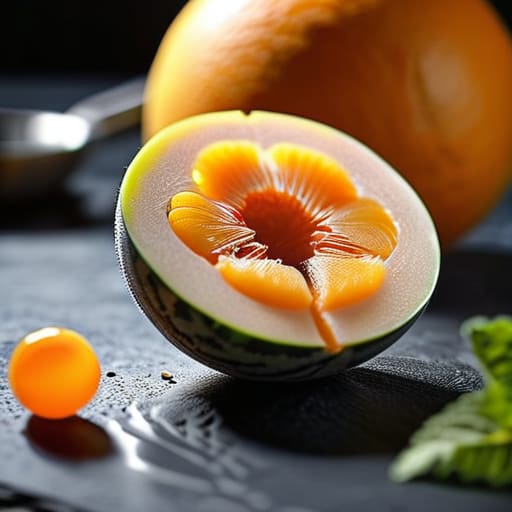
I remember one summer catering a high-end garden party where I watched a junior prep cook struggle with a cheap, stamped-metal melon baller for twenty minutes. Every time he tried to scoop a cantaloupe, the tool would bend or, worse, leave jagged, uneven chunks that looked more like a mess than a professional fruit salad. It was a classic case of someone trying to save a few cents on a tool that was never meant to handle real work. You don’t need a twenty-piece set of colorful plastic nonsense taking up space in your drawer; you just need one piece of equipment that actually holds its shape when it hits the fruit.
In this guide, I’m going to cut through the marketing fluff and tell you exactly what to look for in a melon baller that won’t end up in your landfill by next season. I’ll show you why weight and material matter more than how many fancy shapes a gadget claims to make, and I’ll help you pick a single, reliable tool that will serve you for decades. No gimmicks, no wasted money—just the honest truth from someone who has spent far too many hours in professional kitchens.
Investing in Quality Selecting Your Culinary Presentation Tools
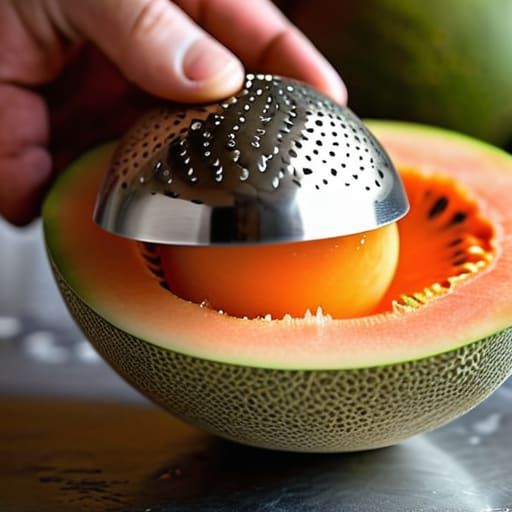
When you’re looking at a shelf full of options, most people make the mistake of grabbing the first cheap, lightweight tool they see. In my years managing catering lines, I saw enough flimsy plastic snap under pressure to last a lifetime. If you want to master making fruit spheres without the frustration, you need to look for weight and material. I always tell my clients to hunt for a heavy-duty stainless steel melon baller with deep, well-defined bowls. A tool that feels substantial in your hand gives you the control necessary for precision, ensuring you aren’t just hacking at the fruit, but actually shaping it.
Selecting the right culinary presentation tools isn’t just about vanity; it’s about efficiency. When you’re working with delicate melons or mangoes, a high-quality tool slices through the flesh cleanly rather than crushing it. This is a fundamental part of any serious kitchen utensil guide I put together for my clients. Investing a few extra dollars upfront in solid metal means you won’t be back at the store next month buying another piece of disposable junk. Buy it once, use it for twenty years, and let the tool do the work.
The Longevity Test Why I Skip Plastic Kitchen Utensil Guides
I’ve seen it a thousand times in commercial kitchens: a drawer full of mismatched, colorful plastic gadgets that look great in a catalog but fail the moment they hit a ripe cantaloupe. Most cheap versions of these tools are made from thin, injection-molded plastic that flexes under pressure. When you’re working on making fruit spheres for a dessert platter, that flex is your enemy. It leads to uneven shapes and, more often than not, a broken handle halfway through the task. If you’re looking for a reliable kitchen utensil guide, my rule is simple: if it feels light and hollow in your hand, put it back on the shelf.
Instead, I always reach for a heavy-duty stainless steel melon baller. Metal doesn’t warp, it doesn’t crack, and it provides the weight you need to glide through the fruit with precision. When you are focusing on professional plating garnishes, you need a tool that offers consistent resistance. A solid piece of steel allows you to master different fruit scooping techniques without fighting the tool itself. It’s about buying something once and owning it for thirty years, rather than replacing a piece of junk every time you host a dinner party.
Five Rules for Choosing a Baller That Actually Works
- Check the weight before you buy. If it feels like a hollow piece of plastic in your hand, put it back. You want a tool with enough heft—ideally stainless steel—to bite into the fruit without you having to force it.
- Look for seamless construction. I’ve seen too many cheap ones where the scoop is welded onto a thin handle; those are the first things to snap when you’re working through a heavy cantaloupe. A single, solid piece is always better.
- Size matters more than you think. Don’t just buy one “medium” size and hope for the best. I always recommend having at least two distinct sizes: a small one for berries or garnishes, and a larger one for melons and mangoes.
- Test the edge of the scoop. A good melon baller shouldn’t just scrape; it should cleanly carve. Run your thumb (carefully!) along the rim to ensure it’s smooth and rounded, not jagged, which will only tear your fruit into a mess.
- Prioritize dishwasher-safe metal. I don’t have time to hand-wash every single garnish tool after a dinner party. If it can’t handle a standard cleaning cycle without rusting or losing its shape, it’s not worth the drawer space.
My Rules for Buying Kitchen Tools
Skip the plastic; if a tool feels light or flimsy in your hand, it’s going to break when you actually need it, so stick to heavy-duty stainless steel.
Don’t buy for the “what if” scenarios; only invest in a melon baller if you actually plan to use it for more than a single party, or you’re just adding clutter.
Focus on ergonomics and weight; a tool that’s easy to grip and has some heft will make the job faster and much less frustrating.
Final Thoughts on Your Next Kitchen Addition
At the end of the day, choosing a melon baller isn’t about adding more clutter to your drawer; it’s about choosing efficiency over frustration. We’ve covered why you need to steer clear of those flimsy, lightweight plastic versions that bend under the slightest pressure, and why investing in a heavy-duty, stainless steel tool is the only way to ensure you aren’t replacing it again in six months. A good tool should feel like an extension of your hand, providing enough weight and leverage to handle everything from soft melon to firmer stone fruits without a struggle. Remember, quality over quantity is the golden rule when it comes to building a functional kitchen.
Don’t let the simplicity of a single tool fool you into thinking it isn’t important. Whether you are plating a sophisticated fruit salad for a dinner party or just making a quick snack for the kids, having the right gear makes the process effortless and enjoyable. My advice? Stop looking for the cheapest option and start looking for the one that will still be sitting in your utensil crock ten years from now. Build your kitchen with intention, one solid piece at a time, and I promise you’ll spend much less time fighting your tools and much more time actually enjoying your food.
Frequently Asked Questions
Are there specific sizes I actually need, or is one multi-sized tool enough to get the job done?
Look, I’ve seen enough cluttered junk drawers to know that “all-in-one” sets are usually a trap. Most of those multi-sized tools are flimsy and awkward to hold. If you’re serious, skip the kit. You really only need two: a small one for delicate berries or garnishes, and a medium one for melons or pitaya. Buy two solid, stainless steel pieces that fit your hand comfortably. That’s all you’ll ever actually use.
How do I clean a professional-grade melon baller without worrying about ruining the finish or the handle?
Treat your professional tools with respect, but don’t overthink it. For a high-quality stainless steel baller, a standard warm soapy soak is usually all you need. Avoid the dishwasher; the high heat and harsh detergents can eventually dull the finish or loosen the handle over time. If you’ve been working with sticky fruit, use a soft nylon brush to get into the seams. Dry it immediately with a lint-free cloth to prevent water spots.
Is it worth the extra money to go with stainless steel, or can I get away with something lighter for occasional use?
Look, if you’re only making a fruit salad once a year for a summer party, a cheap one won’t kill you. But here’s my rule: if you can feel the tool flexing in your hand, it’s junk. I always go for stainless steel. It has the weight to bite into a firm melon without slipping, and you won’t be replacing a snapped plastic handle in six months. Buy it once, buy it right.
