I remember the chaos of a Saturday night rush in a commercial kitchen—the heat, the shouting, and the constant, frantic dance of chefs trying to find a tasting spoon or a paring knife in the middle of a service. Back then, I learned that true apron utility isn’t about looking cute for a social media photo; it’s about having your essential tools within arm’s reach when your hands are covered in flour or fat. I’ve seen too many people buy those flimsy, decorative aprons that look lovely on a kitchen hook but fall apart the second you actually try to work in them.
I’m not here to sell you on some overpriced, designer linen that will shrink after one wash. Instead, I’m going to show you how to identify a workhorse piece of gear that actually supports your workflow. We’re going to talk about pocket placement, fabric weight, and why you should never settle for anything less than durability. My goal is to help you find an apron that becomes a reliable part of your kitchen kit—something that stays out of your way and lets you focus on the food, not your clothes.
Table of Contents
Selecting Heavy Duty Apron Materials That Endure
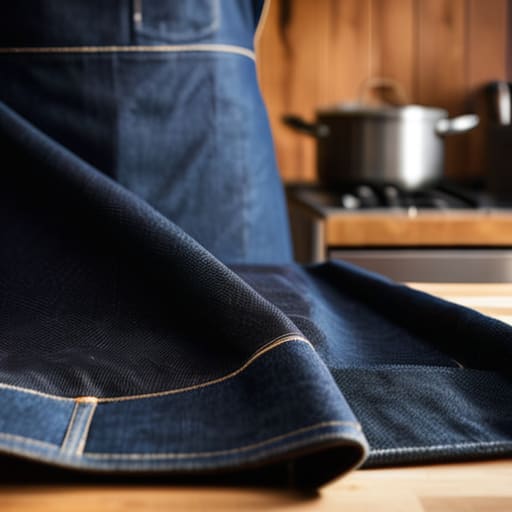
When you’re moving between a hot stove and a prep station, you don’t need something flimsy that feels like a glorified napkin. I’ve seen too many people buy thin, polyester blends thinking they’re getting a deal, only to have them fray or melt after a month of real use. If you want heavy duty apron materials that actually stand up to the heat and the occasional grease splatter, you need to look toward heavy-weight cotton canvas or treated denim. These fabrics offer the kind of structural integrity you’d expect from professional kitchen gear, providing a solid barrier between your clothes and the chaos of a busy kitchen.
Don’t overlook waxed canvas if you’re doing heavy-duty prep or working near open flames. It’s incredibly resilient and develops a beautiful patina over time—much like my vintage cast iron. Beyond just the fabric, pay attention to the weight; a quality apron should feel substantial when you tie it on. You aren’t just looking for something pretty; you’re investing in durable cooking apparel that can handle being washed, dried, and beaten up day after day without losing its shape.
The Logic of Purposeful Apron Pocket Organization
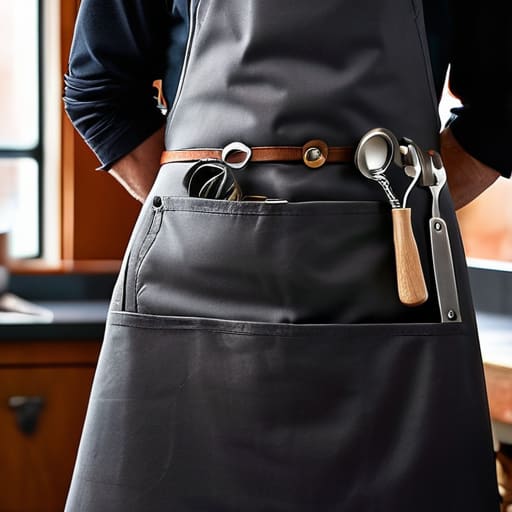
I’ve seen too many home cooks struggle with “pocket bloat”—that frustrating moment when you’re mid-sear and realize your tasting spoon or meat thermometer has migrated to the bottom of a deep, shapeless pouch. When I was managing commercial kitchens, we didn’t have the luxury of digging through fabric for a pen or a towel. Effective apron pocket organization isn’t about having more storage; it’s about having the right storage. You want dedicated slots that keep your essentials upright and accessible, preventing them from clumping together into a heavy, useless mass at your waist.
A well-designed apron should act as an extension of your hands. I look for specific compartments: a slim slot for a thermometer, a reinforced pouch for a towel, and perhaps a larger area for a notebook. This level of chef apron functionality ensures that your tools stay exactly where you left them. If you find yourself constantly patting your hips to find a tool, your apron is working against you. A purposeful layout minimizes movement and keeps your focus where it belongs—on the heat and the ingredients.
Five Ways to Make Your Apron Work as Hard as You Do
- Don’t overstuff your pockets. I’ve seen too many people treat their apron like a bottomless pit; if you cram it with heavy metal tools and half-eaten snacks, it’s going to pull on your neck and ruin your posture.
- Match the weight to the task. If you’re doing heavy-duty prep or working near a grill, you need a thick canvas that can take a splash or a scrape without soaking through to your clothes.
- Look for reinforced stitching at the stress points. A flimsy seam is a death sentence for a good apron, so check the corners of the pockets and the strap attachments before you commit your hard-earned money.
- Keep your “quick-access” items consistent. I always tell my clients to pick three essential tools—maybe a tasting spoon, a pen for my notebook, and a clean rag—and make those the permanent residents of your apron so you aren’t hunting for them mid-service.
- Prioritize easy cleaning over fancy patterns. A kitchen is a messy place, and if your apron requires a delicate hand-wash every time you get a smudge of flour on it, you’ll eventually stop using it altogether.
The Bottom Line on Choosing Your Workhorse Apron
Prioritize heavy-duty fabrics like waxed canvas or thick denim; if it feels flimsy in your hands, it won’t survive a single year of real kitchen work.
Don’t get distracted by dozens of tiny pockets; focus on a few deep, reinforced compartments that can actually hold a thermometer, a tasting spoon, or your notebook without sagging.
Treat your apron as a piece of professional equipment rather than a fashion accessory—buy for durability and function, and the style will take care of itself.
The Real Purpose of an Apron
“An apron shouldn’t just be a piece of fabric to keep your clothes clean; it should be a mobile workstation that keeps your essentials within reach so you can keep your eyes on the pan, not on the clutter.”
Rosalind Hayter
Beyond the Fabric
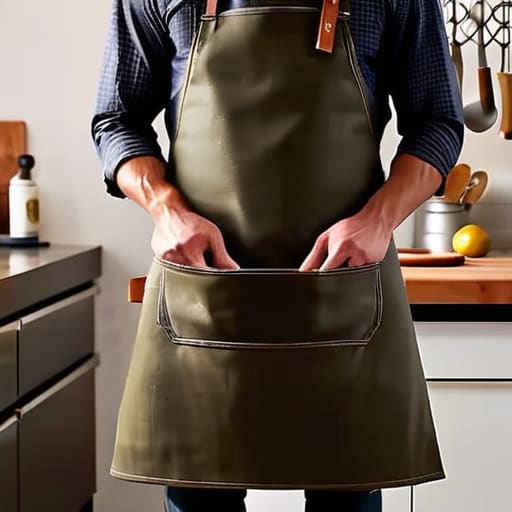
At the end of the day, a utility apron isn’t just a piece of clothing; it’s a piece of equipment. We’ve talked about why you need to prioritize heavy-duty materials like waxed canvas or thick denim that can actually withstand a splash of oil or a scrape against a countertop. We’ve also looked at how smart pocket placement turns a chaotic workspace into a streamlined station. When you stop treating your apron like a fashion accessory and start treating it like a functional tool, you change the way you move in your kitchen. You stop hunting for the thermometer or the tasting spoon because they are exactly where they belong—right on your hip.
My advice is simple: stop chasing the flimsy, polyester trends you see in big-box stores. Invest in one good, sturdy apron that feels substantial when you tie it on. It might feel a bit stiff at first, but much like my vintage cast iron, it will only get better with age and use. A well-chosen apron is an investment in your workflow and your sanity. Build a kitchen that supports your craft, and start with the gear that is built to last a lifetime. Now, get back to the stove and let the tools do their job.
Frequently Asked Questions
How do I choose an apron that won't weigh me down or pull on my neck after a long afternoon of prep work?
If you’re spending four hours over a prep station, a neck strap is your worst enemy. It’ll give you a headache before the stove is even on. Look for a cross-back or “X-back” design; it distributes the weight across your shoulders rather than pulling on your cervical spine. Also, check the weight of the fabric. You want something substantial enough to protect you, but avoid those overly thick, stiff canvases that feel like wearing a suit of armor.
Are there specific apron styles that work better for professional-level heavy cooking versus light baking?
If you’re tackling heavy cooking—think searing steaks or managing a chaotic stovetop—you need a full-length bib apron in heavy canvas or denim. It protects your torso from splashes and heat. For light baking, a waist apron is plenty; it keeps your hips clean while you move between the counter and the oven. Don’t overcomplicate it. Choose coverage based on the mess you expect to make, not what looks trendy in a boutique.
How often should I be cleaning my utility apron to keep it from becoming a grease trap?
If you’re using it daily, wash it every single weekend. Don’t let it sit long enough for grease to bond with the fibers; once that happens, you’re just scrubbing a stain instead of cleaning a garment. If you’ve had a particularly messy shift—think deep frying or heavy sauce work—don’t wait. Toss it in the wash immediately. A clean apron isn’t just about hygiene; it’s about keeping the fabric supple and functional.
