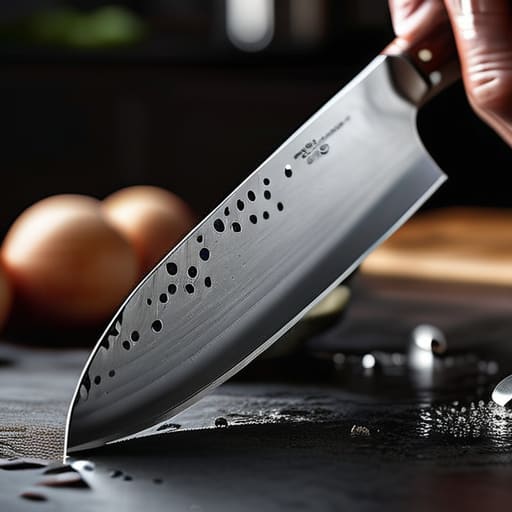
I spent twenty years in commercial kitchens where the sound of a dull blade hitting a cutting board was practically a crime. I’ve seen too many home cooks get lured into buying those flashy, motorized electric gadgets that claim to fix everything but actually just chew up your steel until it’s useless. You don’t need a machine that looks like a science experiment; you need a reliable knife sharpener that respects the tool in your hand. Most of the “must-have” kitchen tech being pushed on social media right now is nothing more than expensive, disposable junk designed to clutter your drawers.
I’m not here to sell you on a trend or a high-priced gimmick. My goal is to cut through the noise and show you how to maintain your edge using tools that actually last a lifetime. I’ll be sharing my honest, field-tested perspective on which methods are worth your counter space and which ones are just a waste of money. We’re going to focus on practicality and precision, ensuring that when you pick up your chef’s knife, it feels like an extension of your hand, not a struggle against a blunt piece of metal.
Table of Contents
The Truth About Manual vs Electric Sharpeners
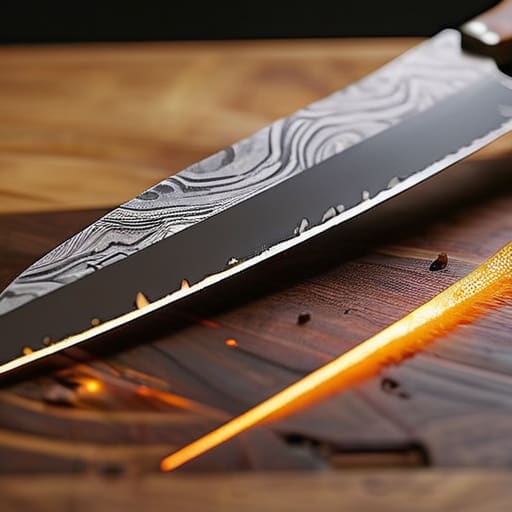
I’ve seen enough commercial kitchens to know that the debate over manual vs electric sharpeners usually comes down to how much patience you actually have. Electric sharpeners are the ultimate temptation when you’re in a rush; they’re fast, they’re easy, and they promise a sharp edge in seconds. But here’s the catch: most of those motorized gadgets are essentially grinding away your expensive steel. They work by using high-speed abrasive wheels that can strip away metal far too aggressively, which ruins your precision blade maintenance in the long run. You might get a sharp knife today, but you’re sacrificing the life of the tool to do it.
If you want to do things the right way, you have to look toward manual methods. I’m a huge advocate for learning proper whetstone sharpening techniques because it gives you total control over the angle and the pressure. It takes practice, sure, but it’s the only way to truly master maintaining edge retention without destroying the geometry of your blade. A good manual tool or a stone doesn’t just fix a dull edge; it respects the craftsmanship of the knife.
Mastering Precision Blade Maintenance for Longevity
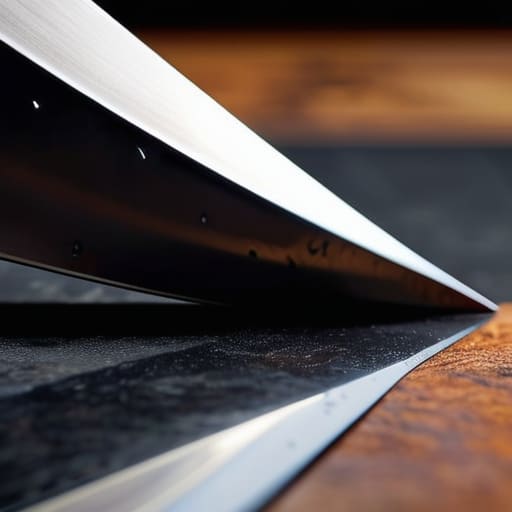
If you want your knives to last through decades of meal prep rather than a few months of heavy use, you have to move beyond just fixing a dull edge. Real precision blade maintenance is about more than just the occasional sharpening session; it’s about the daily discipline of keeping that edge aligned. I always tell my clients that a sharp knife is a safe knife, but a neglected one is a liability. If you aren’t using a honing rod daily, you’re letting the microscopic teeth of the blade fold over, which makes it feel dull even when it isn’t.
For those willing to put in a little bit of work, I cannot recommend whetstone sharpening techniques enough. It takes patience and a steady hand, but there is no substitute for the control you get when you’re working the steel yourself. It allows you to dictate the exact angle, which is the secret to maintaining edge retention over the long haul. You aren’t just grinding away metal; you are sculpting the tool to perform exactly how you need it to.
Five Rules for Keeping Your Blades Sharp Without Ruining Them
- Stop relying on those cheap, pull-through plastic sharpeners; they don’t sharpen your blade, they chew it up by stripping away chunks of metal.
- Invest in a decent whetstone if you have the patience, because learning the angle is the only way to ensure a truly lasting edge.
- Always dry your knives immediately after washing them to prevent corrosion, because even the best edge is useless if the steel is pitted and dull.
- Use a honing rod daily—not to sharpen, but to realign the edge—so you aren’t forced to go to a stone every single time you cook.
- Treat your knives like the precision tools they are, which means never, ever using them to hack through bone or frozen food.
Bottom Line: Stop Wasting Time on Dull Blades
Ditch the electric grinders that eat away your steel; invest in a quality manual sharpener or a whetstone to preserve your knives for years, not months.
A sharp knife isn’t a luxury—it’s a safety requirement that makes cooking faster, easier, and far less dangerous.
Don’t let a cheap gadget ruin a good blade; treat your tools with respect by choosing maintenance methods that prioritize precision over convenience.
The Real Cost of a Dull Blade
“A cheap, electric sharpener might feel like a shortcut, but it’s usually just a fast way to ruin a perfectly good knife. I’ve seen too many people toss out expensive steel because they didn’t realize that real maintenance is about patience and precision, not just spinning a blade against a motorized stone.”
Rosalind Hayter
Stop Settling for Dull Blades
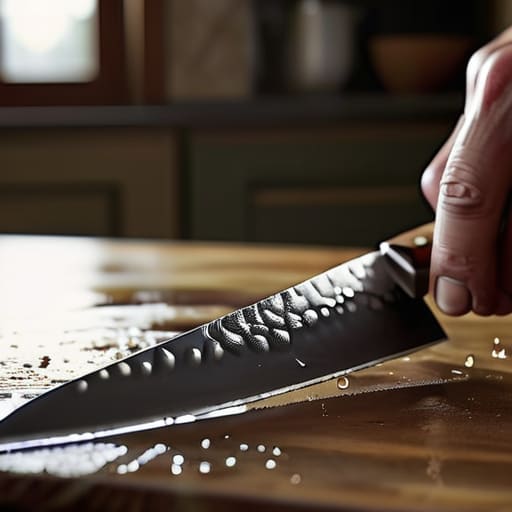
At the end of the day, choosing a sharpener isn’t about buying the most expensive gadget on the shelf; it’s about deciding how much you value your tools. We’ve looked at why electric models can be a risky gamble for your fine blades and why manual whetstones or high-quality pull-throughs are the smarter, long-term investment. Remember, a sharp knife is a safe knife, and a well-maintained edge means you spend less time struggling with prep work and more time actually enjoying the process. Don’t let a dull blade turn a simple dinner into a chore. Invest in quality maintenance now so you aren’t forced to replace your entire set in a year.
My advice is simple: stop treating your knives like disposable cutlery. Whether you choose the precision of a whetstone or the convenience of a sturdy manual sharpener, make it a habit to check your edges regularly. A kitchen is only as functional as the tools you allow it to be, and there is a profound sense of satisfaction that comes from a single, clean slice through a ripe tomato. Build your kitchen on foundations of durability, not trends. Once you master the art of keeping your steel sharp, you’ll realize that you aren’t just maintaining a tool—you’re respecting the craft of cooking itself.
Frequently Asked Questions
How often do I actually need to sharpen my knives without ruining the blade?
Look, I see people treating their knives like disposable tools, and it breaks my heart. You shouldn’t be sharpening every time you cook, but you shouldn’t wait until you’re hacking at a tomato like a lumberjack, either. Aim for a professional honing every few uses to keep the edge aligned, and save the actual sharpening for every few months. If you’re using it daily, maybe every two months. Respect the steel, and it’ll respect you.
Is it worth paying for a professional sharpening service, or can I really do this myself at home?
Look, if you’re working with a standard chef’s knife and have a decent whetstone, you can absolutely handle it yourself. It takes practice, but it’s worth the effort. However, if you’ve inherited a high-end Japanese blade or your knives are truly chipped and beat up, take them to a professional. Don’t risk ruining an expensive tool trying to fix a disaster. Use the pro for the heavy lifting; use yourself for the maintenance.
How can I tell if my knife is actually sharp or if I'm just getting used to struggling with it?
It’s a trap I see people fall into all the time—they mistake muscle memory for skill. If you’re pressing down hard to get through a tomato or if you’re constantly repositioning your hand to compensate for a slip, your knife is dull. Try the paper test: hold a sheet of printer paper vertically and see if the blade slices through it cleanly without tearing. If it snags, stop pretending and get it sharpened.
