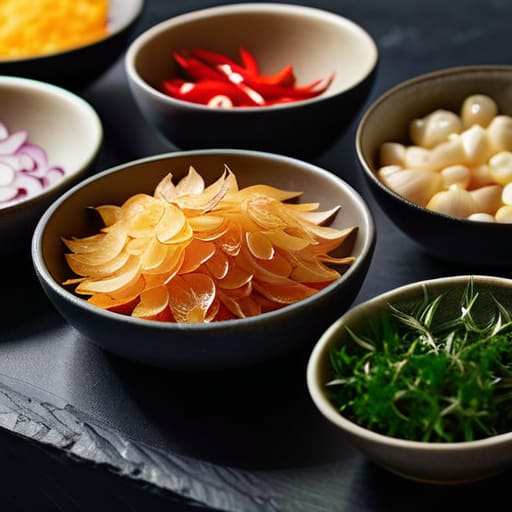
I spent twenty years in commercial kitchens where every second mattered, and if there’s one thing that drives me crazy, it’s seeing people clutter their counters with “smart” gadgets that promise to revolutionize cooking but actually just get in the way. You don’t need a motorized vegetable slicer or a computerized scale to master a recipe; what you actually need is a system. Most people overlook the fundamental prep bowls utility in favor of flashy, expensive nonsense, but in a professional line, those simple bowls are what keep a cook from spiraling into chaos. When you’re mid-service and the pan is smoking, the last thing you want to do is hunt for a stray clove of garlic or a handful of chopped shallots hidden in a pile of clutter.
I’m not here to sell you on a trendy new kitchen set or some overpriced silicone collection that will crack in six months. My goal is to show you how to build a functional foundation using tools that actually work as hard as you do. I’m going to walk you through exactly how to select a few durable, versatile pieces that will streamline your workflow and stop the countertop madness for good.
Table of Contents
Beyond Plastic Why Mise en Place Technique Benefits Every Cook
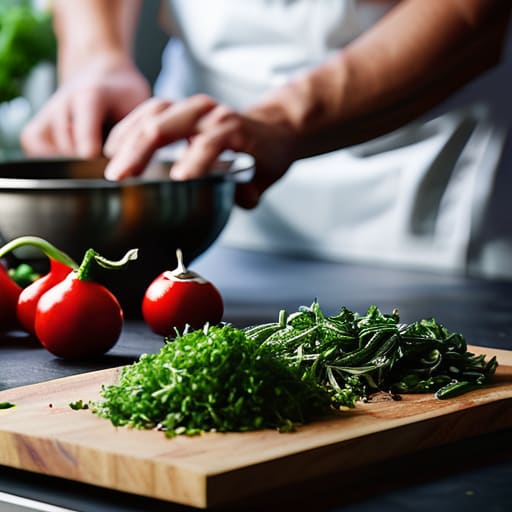
When I was managing large-scale catering events, the difference between a smooth service and a total meltdown wasn’t the skill of the cooks—it was their discipline. We lived by the mise en place technique, which is really just a fancy way of saying “everything in its place.” When you adopt this mindset, you aren’t just tidying up; you are actively improving your culinary workflow efficiency. Instead of standing over a hot pan, frantically chopping an onion while your garlic burns, you have everything measured and ready to go. It turns cooking from a chaotic scramble into a controlled, rhythmic process.
I see so many people mistake meal prep containers vs prep bowls, thinking they are interchangeable. They aren’t. Those plastic Tupperware tubs are for leftovers in the fridge, not for the heat of the moment. For actual cooking, you need open, accessible vessels. Whether you opt for the durability of stainless steel vs ceramic prep bowls, the goal is the same: having your ingredients visible and reachable. When you stop fighting your ingredients and start respecting the process, you’ll find that the kitchen finally starts working for you.
Professional Chef Prep Methods for a Seamless Culinary Workflow
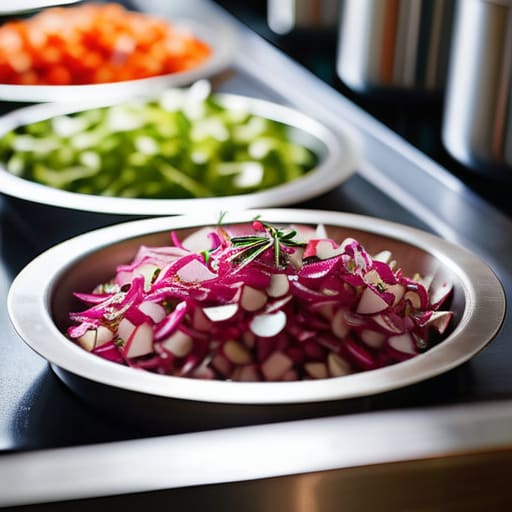
When I was running commercial kitchens, the chaos didn’t come from the recipes; it came from the lack of order. Professional chef prep methods aren’t about being fancy; they are about controlling the environment before the heat even hits the pan. In a high-volume setting, we don’t “wing it.” We rely on a strict discipline where every diced onion, minced garlic clove, and measured spice sits in its own designated spot. This level of culinary workflow efficiency ensures that you aren’t frantically chopping shallots while your butter is already browning in the skillet.
To replicate this at home, you need to move away from the idea of “cooking as you go” and embrace a more structured approach. I always tell my clients to stop treating prep like an afterthought. Instead of grabbing random Tupperware, invest in a set of uniform vessels that stay on your counter. Whether you prefer the durability of stainless steel vs ceramic prep bowls, the goal is the same: visual clarity. When your ingredients are laid out clearly, you stop reacting to the stove and start commanding it.
Five Ways to Stop the Countertop Chaos
- Ditch the mismatched Tupperware for a uniform set of stainless steel or heavy ceramic bowls; when they stack neatly, you reclaim your cabinet space and your sanity.
- Use them for more than just ingredients—I keep a small set specifically for holding garlic cloves, ginger scraps, or even small tools like my vegetable peeler to keep them off the messy prep surface.
- Stop “eyeballing” your seasonings; use small ramekins to pre-measure your spices so you aren’t frantically shaking jars while your garlic is already burning in the pan.
- Invest in sizes that actually make sense for your workflow, ranging from tiny vessels for salt and pepper to medium bowls for chopped aromatics, rather than buying a massive, useless set of identical sizes.
- Clean as you go by using your prep bowls as temporary “waste stations” for onion skins and herb stems, keeping your main cutting board clear for actual cooking.
The Bottom Line on Prep Bowls
Invest in a set of durable, nesting bowls made of glass or stainless steel rather than cheap plastic that stains and cracks after three months.
Use prep bowls to master mise en place, which reduces cooking stress and prevents those frantic, mid-recipe scrambles for ingredients.
Keep your workflow clean by using bowls to contain your mess before it ever hits your cutting board or countertop.
## The Real Purpose of a Prep Bowl
“A prep bowl isn’t just a container; it’s a way to reclaim your headspace. When you stop chasing ingredients mid-sauté and start working with everything already measured and waiting, you stop reacting to your recipe and start actually enjoying the process.”
Rosalind Hayter
Getting Your Kitchen Under Control
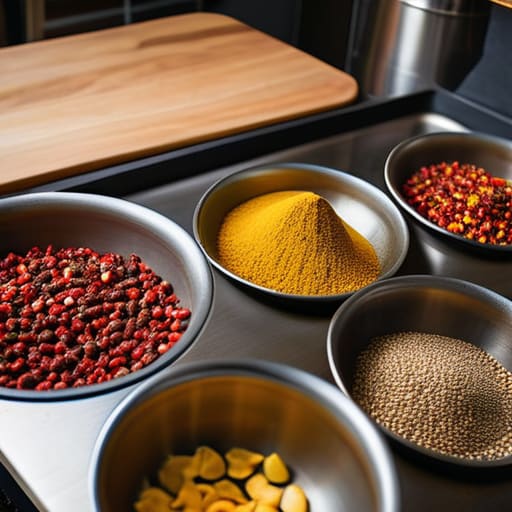
At the end of the day, prep bowls aren’t just another set of dishes to clutter your cabinets; they are the fundamental building blocks of a disciplined kitchen. We’ve talked about how moving away from flimsy plastic and embracing the mise en place method can transform your cooking from a chaotic scramble into a controlled, professional process. By taking those extra two minutes to measure and portion your ingredients before the heat hits the pan, you eliminate the stress of burnt garlic or missing spices. It’s about investing in your workflow so that the actual act of cooking becomes something you enjoy, rather than a race against the clock.
My advice is simple: stop overcomplicating your kitchen with expensive gadgets that promise magic but deliver nothing. You don’t need a specialized machine for every single task; you just need a few solid, reliable tools and the habit of using them correctly. Start small, buy quality materials like stainless steel or heavy ceramic that can stand the test of time, and watch how much more peace you find in your culinary routine. A functional kitchen isn’t built on trends—it’s built on smart habits and intentionality. Now, go clear off that counter and get organized.
Frequently Asked Questions
I don't have a lot of counter space; how many different sizes of prep bowls do I actually need to get by?
Don’t let a small countertop convince you that you need a massive set. You really only need three sizes to cover almost any recipe. Grab one large bowl for bulk chopping, a medium one for your main aromatics, and a small one for spices or garnishes. Anything more is just clutter waiting to happen. Stick to stainless steel or heavy ceramic—they stack better, last longer, and won’t take up permanent residence in your cabinets.
Should I invest in heavy ceramic bowls, or are lightweight stainless steel ones better for a busy workflow?
If you’re working in a tight space, go with stainless steel. They’re lightweight, stackable, and—most importantly—they won’t shatter if you knock them off a counter during a rush. I’ve seen too many people break expensive ceramic bowls just because they were too bulky to handle quickly. For a high-speed workflow, you want tools that are indestructible and easy to move. Save the heavy ceramics for serving; use steel for the heavy lifting.
Is there a way to use prep bowls for organization in my pantry or fridge if I'm not actively cooking?
Absolutely. In my experience, prep bowls aren’t just for the stovetop; they’re secret weapons for containment. I use small stainless steel or glass bowls in the fridge to corral loose items like cherry tomatoes, olives, or those awkward handfuls of berries that usually end up rolling around the crisper drawer. In the pantry, they’re perfect for grouping small packets of spices or tea bags. It keeps things visible and prevents that “bottom-of-the-bin” clutter.
