I’ve spent twenty years in commercial kitchens and catering, and if there is one thing that makes my blood boil, it’s seeing a beautiful, heavy-duty mixer gathering dust because someone felt pressured into buying a dozen useless, flimsy plastic add-ons. Most people treat stand mixer attachments like a collection of shiny trinkets, filling their cabinets with specialized rollers and novelty shapes that break the moment they meet actual dough. I’ve seen it a thousand times: someone spends a fortune on a “complete set” only to realize that half of those gadgets are just expensive clutter that serves no real purpose in a functional kitchen.
I’m not here to sell you on the latest kitchen fad or help you expand your collection of junk. My goal is to help you identify the few, high-quality tools that actually earn their keep on your countertop. I’m going to walk you through the only essential attachments worth your hard-earned money—the ones that are built to last a lifetime and actually improve your workflow. We are going to focus on durability and utility, ensuring that every cent you spend on your mixer translates into better cooking, not more storage headaches.
Table of Contents
Essential Baking Tools for a Lifetime of Success
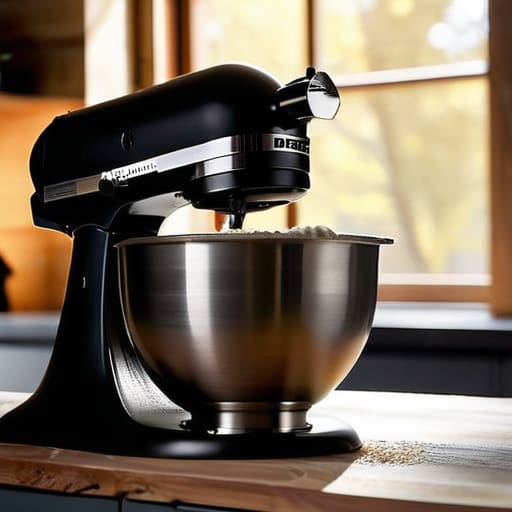
If you’re serious about baking, you need to stop looking at your mixer as just a way to whip cream and start seeing it as the engine of your kitchen. Most people clutter their cabinets with flimsy, single-use items, but I always tell my clients to focus on the heavy hitters. When I’m sketching out a functional workspace, I prioritize essential baking tools that offer genuine versatility. A high-quality dough hook is non-negotiable if you ever plan on making sourdough or brioche; anything less will just burn out your motor.
Beyond the basics, I’m a big believer in investing in high-quality kitchen appliance accessories that serve more than one purpose. For instance, a solid metal whisk attachment is a staple, but if you really want to expand your repertoire, look for a pasta maker attachment. It’s a game-changer for Sunday dinners and, unlike those cheap plastic rollers, a well-made one will last decades. Before you buy anything, though, always check your stand mixer compatibility guide to ensure the power output matches the task. Don’t buy a tool that’s too heavy for your machine to handle; that’s just a fast way to break a perfectly good appliance.
The Stand Mixer Compatibility Guide You Actually Need
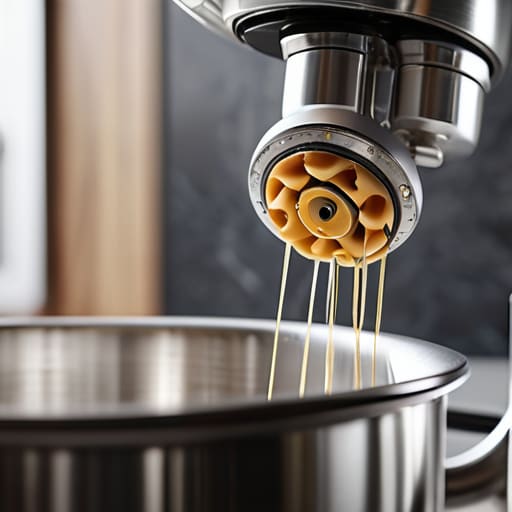
Before you pull your credit card out, we need to have a serious talk about fit. I’ve seen far too many people buy a high-end pasta maker attachment only to realize it won’t seat properly in their machine’s power hub. It’s a heartbreaking waste of money. Every brand uses a different drive system—some use a proprietary screw, while others rely on a simple gear connection. You cannot assume that because a tool looks like it belongs, it actually will.
I always tell my clients to check the manual or, better yet, the manufacturer’s website before browsing any third-party kitchen appliance accessories. If you’re looking at something heavy-duty, like a meat grinder for stand mixer use, the torque requirements are completely different than they are for a simple whisk. You want a seamless connection that doesn’t rattle or slip. If the attachment feels flimsy or doesn’t lock in with a solid, decisive click, put it back on the shelf. You aren’t just buying a tool; you’re buying the ability to use your machine for more than just basic cake batter.
Five Rules for Choosing Attachments That Won't End Up in the Junk Drawer
- Check the drive socket before you buy. I’ve seen too many people fall in love with a pasta maker or a meat grinder only to realize their mixer’s power hub doesn’t match the connection. Don’t trust the box; verify the fit.
- Prioritize metal over plastic. If an attachment feels light or hollow in your hand, it’s going to strip a gear the first time you try to knead a heavy sourdough. If you want it to last twenty years, it needs to be heavy-duty.
- Think about your counter real estate. I always tell my clients: if you don’t have a dedicated spot for it, you won’t use it. Before buying a specialized attachment, ask yourself if you actually have the physical space to store it properly.
- Test the motor’s limits. Some attachments, like meat grinders, put an immense amount of strain on your machine. If you have a lower-wattage mixer, be careful about buying high-torque attachments that might burn out your motor.
- Stick to the basics first. You don’t need a specialized cookie press or a spiralizer right now. Master the dough hook and the whisk, and only add to your collection when a specific recipe proves that your current kit is truly lacking.
The Bottom Line on Your Attachments
Don’t get swept up in the marketing; if you aren’t baking bread every single week, you don’t need a dough hook, and you certainly don’t need a pasta maker gathering dust in the back of your pantry.
Check your mixer’s power and the manufacturer’s specs before you buy—there is nothing more frustrating than spending forty dollars on a heavy-duty attachment only to realize it strips your mixer’s gears.
Prioritize metal over plastic every single time; a well-made stainless steel or cast attachment might cost more upfront, but it’s the difference between a tool you use for twenty years and one you toss in the bin by next Christmas.
## Quality Over Novelty
“I’ve seen too many people clutter their counters with specialized attachments that do one thing poorly and break by next season. If an attachment isn’t heavy-duty enough to handle a real workload, it doesn’t belong in your kitchen; buy the tools that earn their keep every single time you bake.”
Rosalind Hayter
Quality Over Everything
At the end of the day, building out your stand mixer kit shouldn’t feel like a shopping spree; it should feel like a strategic investment. We’ve covered how to match your attachments to your specific machine and why you should prioritize heavy-duty metal over those cheap, colorful plastic alternatives that snap under pressure. Remember, you don’t need every single bell and whistle offered on the market. Stick to the essentials—the dough hook for your bread, the whisk for your meringues, and perhaps a high-quality meat grinder if you’re serious about scratch cooking. If you focus on durability and compatibility first, you won’t find yourself staring at a drawer full of useless junk five years from now. Buy once, buy well.
My advice is simple: let your actual cooking habits dictate your purchases, not a flashy advertisement or a seasonal sale. A kitchen is a living, breathing workspace, and every tool you add should earn its place on your counter by making your life easier, not more cluttered. When you invest in professional-grade attachments, you aren’t just buying hardware; you are investing in the confidence to create something delicious from scratch. Stop chasing the latest trends and start building a toolkit that will serve you, and your family, for decades to come. Now, grab that notebook, check your mixer’s specs, and let’s get to work.
Frequently Asked Questions
Are these attachments actually worth the investment, or am I better off just using my hands and a decent whisk?
Look, I get the skepticism. If you’re just whipping up a single batch of pancake batter once a month, stick to your whisk and save your money. But if you’re actually baking—I mean real, consistent baking—your hands aren’t going to cut it for heavy doughs or large volumes. A good meat grinder or pasta roller isn’t a luxury; it’s a way to control your ingredients and avoid the processed junk. Buy them only if they serve a purpose.
How can I tell if a specific attachment is made of heavy-duty metal or that cheap, thin stuff that's going to snap the first time I hit a thick dough?
Don’t just look at the color; look at the weight. If it feels like a toy in your hand, it’s going to fail you when things get serious. Check the connection point—the part that actually plugs into the mixer—and make sure it’s solid metal, not plastic. If you can see visible seams or thin, stamped-out edges, put it back. You want heavy, die-cast components that feel substantial, not something that’ll snap the moment you hit a thick sourdough.
If I buy a high-end attachment now, is it actually going to fit the mixer I buy five years from now?
Here is the hard truth: no, you can’t bank on that. While the industry tries to pretend everything is universal, attachment hubs and drive shafts change as manufacturers update their designs. If you buy a high-end, heavy-duty attachment today, it’s tied to the specific model sitting on your counter right now. My advice? Don’t buy the attachment until you have the mixer in your hands. Match them up first; then invest in the quality.
