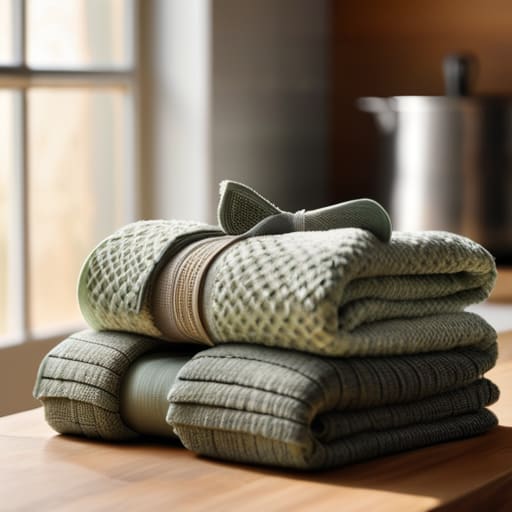
I spent twenty years in commercial kitchens, and if there is one thing I learned, it’s that most people are throwing money down the drain every time they shop for linens. You see these “designer” sets in big-box stores—pretty patterns, thin fabric, and enough decorative fluff to make a wedding planner swoon—but they are absolutely useless the second they hit a wet countertop. You don’t need a collection of overpriced, flimsy rags; you need kitchen towels that actually have some weight to them and can handle a heavy spill without just moving the water around.
I’m not here to sell you on a lifestyle brand or a trendy color palette that will be out of style by next season. My goal is to give you the straight truth based on decades of seeing what actually survives a high-volume service and what ends up in the landfill after two months. I’m going to show you how to identify real, heavy-duty cotton and why you should stop settling for anything less than a tool that works as hard as you do. Let’s get your kitchen sorted with things that actually last a lifetime.
Table of Contents
- The Practical Magic of Durable Flour Sack Kitchen Towels
- Finding the Best Fabric for Wiping Spills Without Fuss
- Five Rules for a Towel Collection That Actually Works
- My Three Golden Rules for Kitchen Linens
- The Truth About Your Kitchen Linens
- Don't Overcomplicate Your Kitchen
- Frequently Asked Questions
The Practical Magic of Durable Flour Sack Kitchen Towels
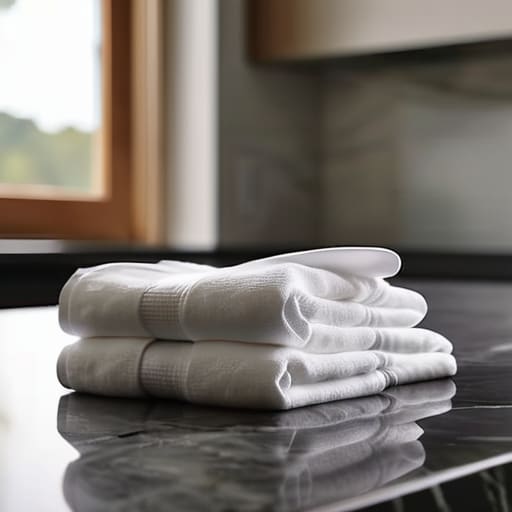
I’ve seen too many people reach for those thick, absorbent microfiber cloths thinking they’re doing something productive, only to realize they’re just moving moisture around or leaving streaks on glassware. If you want to do things the right way, you need to go back to basics with flour sack kitchen towels. They aren’t fancy, and they certainly aren’t trendy, but they are the workhorse of a professional-grade setup. Because of their tight, plain weave, they provide exceptional lint-free dish drying that you simply won’t get from a plush, looped terry cloth towel.
The real beauty of these linens lies in their simplicity. They are incredibly thin, which makes them easy to tuck into an apron or hang on a small hook without creating clutter. When you’re dealing with a sudden mess, they act as the best fabric for wiping spills because they soak up liquid instantly without dragging debris across your countertop. They’re durable, they dry quickly, and they don’t require a specialized care routine. Just wash them, dry them, and they’ll be ready for the next shift.
Finding the Best Fabric for Wiping Spills Without Fuss
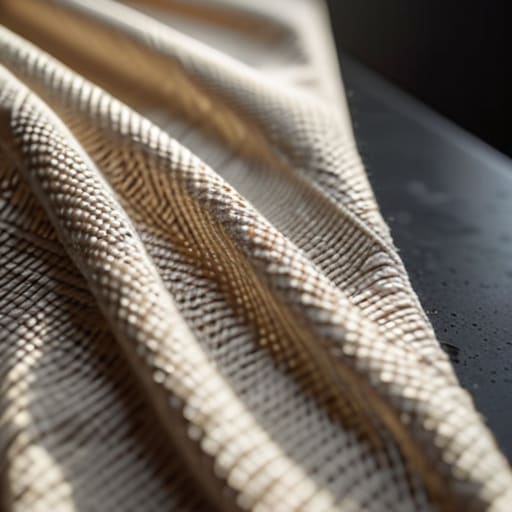
When you’re in the middle of a heavy prep session, the last thing you want is a rag that just pushes liquid around the counter. I’ve seen far too many people reach for those cheap, synthetic blends that feel more like sandpaper than a cleaning tool. If you want to know the best fabric for wiping spills without the headache, you have to look at the weave. I always lean toward tightly woven cotton or linen. These natural fibers have a way of grabbing moisture instantly rather than just spreading the mess into a thin, oily film.
Now, I know the marketing push for absorbent microfiber cloths is everywhere, and they certainly have their place for polishing glassware. But for the heavy lifting—the spilled sauce, the flour dust, or the wet countertop—I stick to my eco-friendly kitchen linens. They are more forgiving, they don’t leave behind those annoying little fuzzy bits, and most importantly, they don’t pill after a few rounds in the laundry. If you choose a material that can actually handle the heat of a working kitchen, you won’t find yourself constantly replacing a drawer full of useless rags.
Five Rules for a Towel Collection That Actually Works
- Stop buying “sets” of cheap, mismatched microfiber. They’re useless for drying dishes and leave streaks on glassware. Stick to 100% cotton or linen; they absorb water properly and can handle the heat of a professional kitchen.
- Keep a dedicated “hand towel” stash that is separate from your cleaning rags. I always keep a stack of clean, soft towels specifically for drying hands, while the slightly more rugged ones stay on the counter for spills and drying pots.
- Avoid anything with heavy decorative embroidery or lace. It sounds pretty in a showroom, but those threads catch on cabinet handles and trap grease. You want smooth, functional fabric that you can toss in a heavy-duty wash without worry.
- Invest in a “bulk” mindset. You don’t need twenty different styles; you need twenty identical, high-quality towels. When one gets stained by tomato sauce or oil, you can rotate it out for laundry without feeling like your kitchen aesthetic is falling apart.
- Check the weight before you buy. If a towel feels flimsy in your hand at the store, it’s going to be useless once it hits a wet countertop. Look for a substantial weave that feels like it has some weight to it—that’s how you know it’ll actually soak up a spill instead of just pushing it around.
My Three Golden Rules for Kitchen Linens
Stop buying cheap, multi-pack sets of thin rags; one heavy-duty cotton towel is worth more to your workflow than ten flimsy ones that just smear grease around.
Match the fabric to the task—save your softest linens for drying glassware and keep the rugged, textured weaves for the heavy-duty scrubbing and spill cleanup.
Look for 100% natural fibers like cotton or linen, because synthetic blends might feel soft now, but they won’t absorb moisture properly and they’ll pill the moment they hit a hot wash.
The Truth About Your Kitchen Linens
A kitchen towel isn’t just a piece of fabric; it’s a workhorse. If you’re buying thin, decorative rags that lose their absorbency after a week of heavy use, you aren’t decorating—you’re just wasting money. Get something with weight, something with grit, and something that actually does the job you hired it to do.
Rosalind Hayter
Don't Overcomplicate Your Kitchen
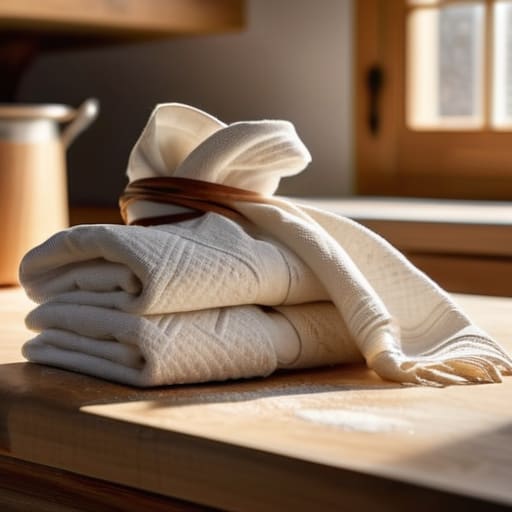
At the end of the day, choosing the right kitchen towels isn’t about matching your backsplash or following a seasonal color palette; it’s about utility. We’ve talked about why flour sack towels are the unsung heroes of a busy kitchen and why you need to prioritize absorbent, heavy-duty fabrics over those flimsy, decorative sets that lose their shape after one wash. If you invest in high-quality cotton or linen, you aren’t just buying a cloth; you are buying a tool that will actually perform when you’re mid-prep or cleaning up a sudden spill. Stop cycling through the cheap, disposable junk that ends up in a landfill every six months and start building a linen drawer that actually serves you.
My advice is simple: look for pieces that can handle the heat and the mess of a real, working kitchen. A well-organized home starts with these small, foundational decisions, and choosing gear that lasts is the first step toward a more intentional way of living. When you stop worrying about replacing broken or useless items, you free up your time and your budget for what really matters—the cooking itself. Grab the good stuff, use it hard, and make it last.
Frequently Asked Questions
How often should I actually be laundering my kitchen towels to keep them sanitary without wearing out the fabric?
Don’t overthink it, but don’t get lazy either. In a busy kitchen, I aim to swap them out every single day. If you’re just wiping a dry counter, you might stretch it to two, but once you’re handling raw proteins or greasy pans, they need to go in the hamper immediately. To keep them from thinning out, avoid high-heat drying; tumble them on low or air-dry them to keep the fibers intact.
Is there a real difference between cotton and microfiber when it comes to drying heavy cast iron or delicate glassware?
There’s a massive difference, and choosing the wrong one can actually do damage. For my cast iron, I stick strictly to heavy cotton. Microfiber can sometimes trap moisture in the pores of the metal, which is a recipe for rust. When it comes to glassware, microfiber is your friend because it’s lint-free and won’t leave those annoying streaks. Just don’t use that same synthetic rag on your pans; keep the cotton for the heavy lifting.
How many towels do I actually need on hand to get through a week of cooking without constantly running the laundry?
Look, I’ve seen too many people either drowning in a mountain of linens or running to the laundry every single night. For a standard week, aim for twelve to fourteen towels. That gives you two per day—one for food prep and one for cleaning up—with a small buffer for when things inevitably get messy. If you keep a stash of at least a dozen high-quality cotton towels, you can breathe easy until laundry day.
