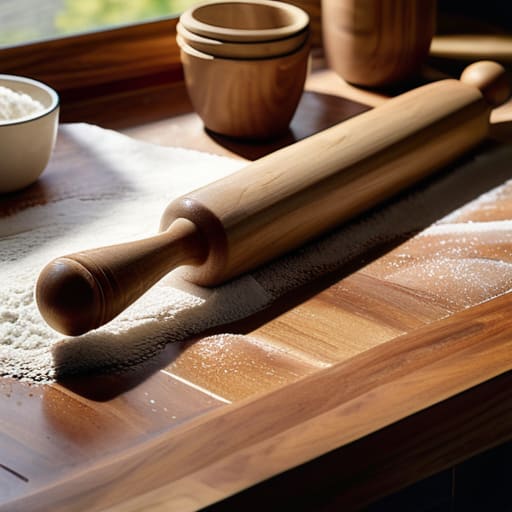
I remember standing in the middle of a massive commercial prep kitchen during a holiday rush, watching a junior cook struggle with a cheap, lightweight rolling pin that kept wobbling every time she tried to flatten a batch of pastry dough. It was frustrating to watch—not just because she was struggling, but because she was fighting her tools instead of working with them. Most people think they need some high-tech, silicone-coated gadget or a motorized device to get perfect crusts, but that is just expensive nonsense. A proper rolling pin shouldn’t be a novelty item you pull out once a year; it should be a heavy, reliable extension of your own hands.
I’m not here to sell you on the latest kitchen trend or convince you that you need a dozen different versions for different types of dough. My goal is to help you cut through the clutter and find the one tool that actually earns its place in your drawer. I’ll be sharing exactly what to look for in terms of weight, material, and grip so you can stop wasting money on plastic junk and start investing in gear that lasts a lifetime.
Table of Contents
- Marble vs Wooden Rolling Pin the Weight of Quality
- French Rolling Pin vs Tapered Finding Your Perfect Match
- Five Rules for Choosing and Using a Rolling Pin That Actually Works
- The Bottom Line on Rolling Pins
- The Truth About Your Tools
- Making the Right Call for Your Kitchen
- Frequently Asked Questions
Marble vs Wooden Rolling Pin the Weight of Quality
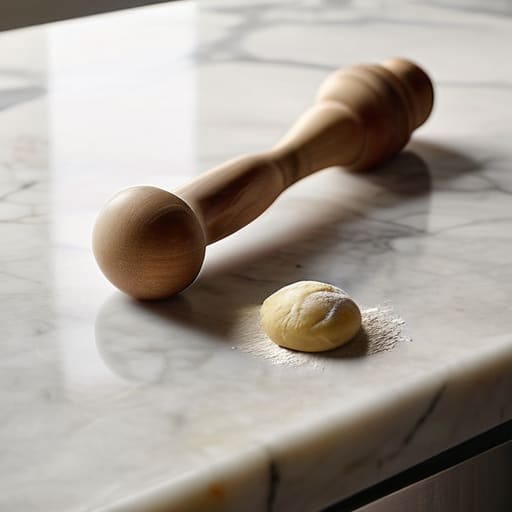
When you’re standing at your counter deciding between marble vs wooden rolling pin options, you aren’t just picking a color; you’re picking a tool that dictates how you work. I’ve seen too many beginners grab a heavy marble slab thinking the weight will do all the work for them. While marble is excellent for keeping pastry dough cool—which is a lifesaver when you’re working with high-fat butter—it’s cumbersome. If you don’t have a steady hand, that weight can actually make it harder to control your pressure, leading to uneven thickness.
On the other hand, wood is the reliable workhorse of the professional kitchen. A solid maple or beech pin offers a tactile connection to your dough that stone just can’t match. If you’re looking for the best rolling pins for pie crust, I always suggest a classic tapered design. It gives you much more precision than a thick, heavy cylinder. Wood absorbs a bit of the moisture and provides a natural grip, making it much easier to master non-stick dough rolling techniques without constantly reaching for a dusting of excess flour.
French Rolling Pin vs Tapered Finding Your Perfect Match
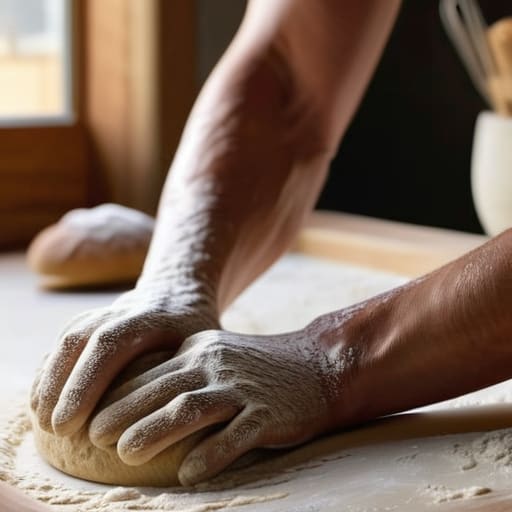
When you’re looking at the french rolling pin vs tapered debate, you aren’t just choosing a shape; you’re choosing how much control you want over your dough. A traditional tapered pin—the kind with handles on both ends—is a sturdy workhorse. It’s great for beginners because the handles give you a solid grip, making it easier to apply even pressure when you’re working with thicker doughs like biscuit or bread. It feels familiar, almost like an extension of your arms, which is helpful when you’re still learning the rhythm of the kitchen.
However, if you’ve moved past the basics and want more precision, the French style is where the magic happens. These pins are typically straight cylinders without handles, which might seem intimidating at first, but they offer unparalleled dexterity. Because you’re gripping the wood directly, you can feel exactly how much pressure you’re applying to the pastry. This is one of the best rolling pins for pie crust because it allows for those delicate, paper-thin layers that a bulky handle might crush. If you want to master non-stick dough rolling techniques and achieve professional results, the French style is worth the slight learning curve.
Five Rules for Choosing and Using a Rolling Pin That Actually Works
- Skip the plastic and the cheap, lightweight aluminum models; they don’t provide the resistance you need to feel the dough, and they’ll likely end up in a landfill within a year.
- Always check the grain of your wooden pin before buying to ensure it’s tight and consistent, which prevents the wood from splintering when you’re applying pressure.
- Learn to use flour—not just a dusting, but a controlled application—to prevent your dough from sticking to the pin, which is the quickest way to ruin a delicate pastry crust.
- Treat your wooden rolling pin like a piece of heirloom furniture; never, under any circumstances, toss it in the dishwasher, or you’ll be dealing with warped wood and cracks by next week.
- Match your tool to your task, meaning don’t try to force a heavy, thick American-style pin through a delicate puff pastry when a slim French pin would do the job with half the effort.
The Bottom Line on Rolling Pins
Stop buying cheap, lightweight plastic rollers; invest in solid wood or heavy marble that actually has the heft needed to work the dough.
Choose your shape based on your skill level—tapered pins offer more control for beginners, while French pins are the pro’s choice for precision.
Prioritize longevity over trends by picking materials that can be cleaned, maintained, and passed down rather than replaced every season.
The Truth About Your Tools
I’ve seen enough flimsy, store-bought rollers crack under the slightest pressure to know that a rolling pin isn’t just a gadget; it’s an extension of your hands. If it doesn’t have some weight to it and a surface that respects the dough, you aren’t baking—you’re just fighting your equipment.
Rosalind Hayter
Making the Right Call for Your Kitchen
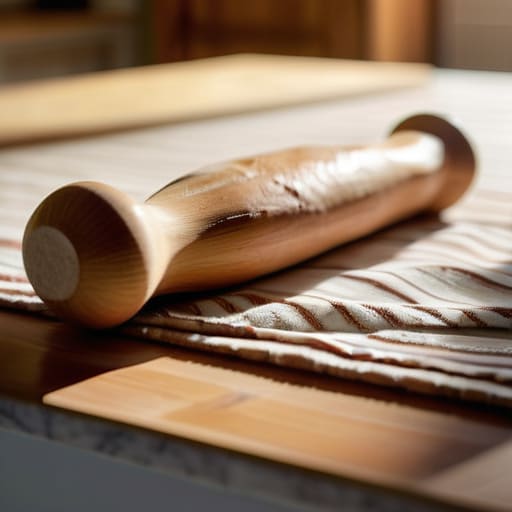
At the end of the day, choosing a rolling pin isn’t about picking the prettiest item on the shelf; it’s about understanding how you actually cook. If you want the heavy-duty control of marble for delicate pastry work, go for it, but don’t forget that a classic wooden French pin is often the unsung hero for daily dough rolling. Whether you prefer the stability of a tapered design or the traditional feel of a standard American roller, the goal is to find a tool that feels like an extension of your own hands. Stop overthinking the trends and focus on durability and weight—once you have a solid piece of equipment, you can finally stop replacing cheap junk every single season.
I’ve spent enough time in commercial kitchens to know that the best tools are the ones that eventually become part of your muscle memory. A good rolling pin isn’t just a piece of wood or stone; it’s an investment in your confidence behind the counter. When you stop fighting with flimsy, ineffective gadgets, you actually start enjoying the process of making something from scratch. So, grab a piece that is built to last, trust your instincts, and get back to the actual work of cooking. Your kitchen deserves tools that work as hard as you do.
Frequently Asked Questions
How do I actually clean a wooden rolling pin without ruining the grain or causing it to crack?
Listen, I’ve seen too many beautiful maple pins ruined by someone treating them like a dinner plate. Never, ever soak your wooden rolling pin in the sink; that’s how you get cracks and warping. Instead, wipe it down immediately after use with a slightly damp cloth and a tiny bit of mild soap if you must. Dry it thoroughly with a towel right away, then give it a quick rub with food-grade mineral oil to keep that grain supple.
Is it worth buying a heavy marble pin if I'm mostly working with delicate pastry dough?
If you’re working with delicate pastry, skip the marble. Honestly, a heavy stone pin is overkill for flaky crusts or puff pastry; the sheer weight can actually crush your dough and work it too much, making it tough instead of tender. For those lighter tasks, stick to a tapered wooden pin. It gives you the control you need to feel the dough without bruising it. Save the marble for heavy-duty fondant or thick biscuit dough.
Should I be looking for a rolling pin with handles, or are the tapered versions better for control?
If you’re looking for pure control, go with the tapered version. Without handles, you’re forced to use your palms to apply even pressure, which actually helps you feel the dough and prevents those annoying uneven spots. Handles are fine for heavy-duty tasks like thick biscuit dough, but they often act as a barrier. For most of what I do—pastry, pizza, or pie crust—the tapered pin gives me much better precision.
