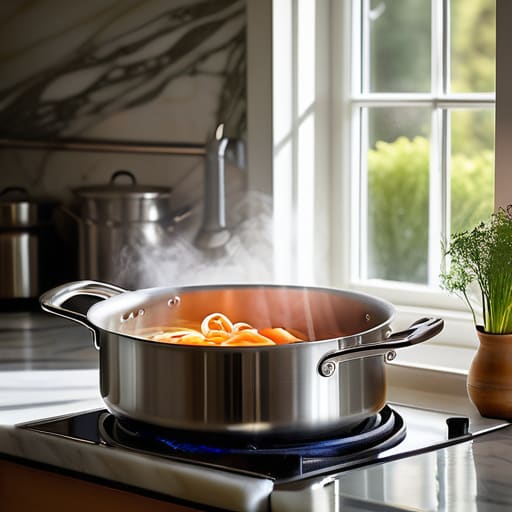
I still remember the chaos of a Friday night service in my old catering days—the steam hitting the ceiling, the constant clatter of utensils, and that one specific, cheap aluminum pot that decided to warp right in the middle of a forty-quart batch of mirepoix. It was a disaster that cost us time and money, and it’s exactly why I can’t stand seeing people walk into a kitchen supply store and get talked into buying “designer” sets that lack any real heft. Most of the advice you’ll find in a generic stock pot guide is just marketing fluff designed to make you buy more gadgets. You don’t need a twelve-piece collection; you need one solid, dependable vessel that can handle a heavy simmer without losing its shape.
I’m not here to sell you on shiny trends or overpriced nonsense. My goal is to give you the straight truth based on twenty years of seeing what actually survives a professional kitchen and what ends up in a landfill after six months. I’m going to break down the materials, the weight, and the dimensions that actually matter so you can invest in a piece of equipment that lasts a lifetime.
Table of Contents
- Aluminum vs Stainless Steel Pots Choosing Quality Over Trends
- A Stock Pot Capacity Guide for Meaningful Cooking
- Five Rules for Picking a Pot That Won't End Up in a Landfill
- The Bottom Line on Your Next Investment
- The Truth About Your Next Big Pot
- Making the Right Investment
- Frequently Asked Questions
Aluminum vs Stainless Steel Pots Choosing Quality Over Trends
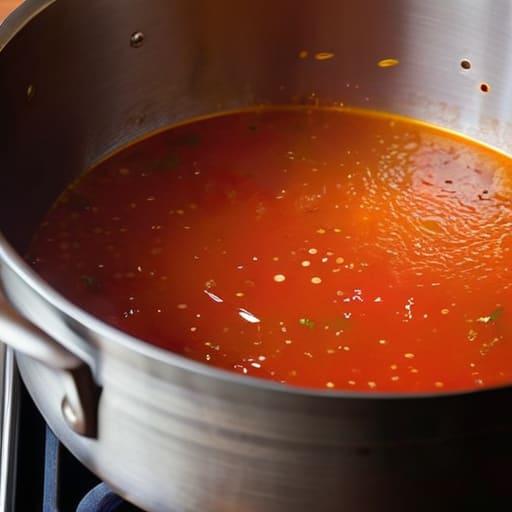
I’ve seen too many home cooks get seduced by the shiny, lightweight aluminum sets you see in big-box stores. Don’t fall for it. While aluminum is a decent conductor of heat, it’s far too reactive for the long, slow simmers that make a great stock. If you’re making a tomato-based soup or anything acidic, that aluminum will leach a metallic tang into your food, and frankly, the pot will likely warp under high heat. When you’re looking for the best cookware for large batches, you need something that can stand up to the weight and the time.
This is where stainless steel earns its keep. I always tell my clients to look for high-quality, multi-clad stainless steel. It’s non-reactive, incredibly durable, and won’t pit or scratch like the cheaper alternatives. The real secret, however, lies in the construction; you want a heavy bottom stock pot that features an aluminum or copper core sandwiched between layers of steel. This gives you the heat distribution of aluminum with the rugged, indestructible nature of steel. It’s an investment, sure, but it’s one that won’t end up in a landfill in two years.
A Stock Pot Capacity Guide for Meaningful Cooking
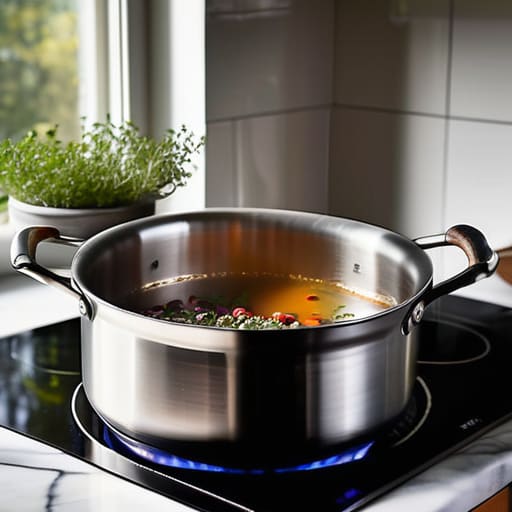
When I was managing catering lines, I saw too many home cooks buy a pot that was either too small for their ambitions or so massive it became a storage nightmare. You need to match the size to your actual habits, not your “someday” fantasies. For a standard family of four, an 8-quart pot is usually the sweet spot; it’s large enough to handle a Sunday chili or a decent batch of bone broth without splashing over the sides. If you’re strictly cooking for one or two, a 6-quart model will save you precious cabinet space and make it much easier to manage.
However, if you’re the type who likes to meal prep on Sundays or you frequently host large holiday dinners, you’ll want to step up to a 12-quart or even a 20-quart vessel. This is truly the best cookware for large batches, allowing you to simmer massive quantities of stock or boil corn on the cob without constant monitoring. Just remember, a larger pot requires more physical effort to move, especially when full. Always consider the weight and maneuverability of the pot before you commit to a massive size.
Five Rules for Picking a Pot That Won't End Up in a Landfill
- Look for a heavy, encapsulated base. If the bottom of the pot feels thin or light, it’s going to create hot spots that scorch your broth. You want a thick layer of aluminum or copper sandwiched between layers of stainless steel to distribute heat evenly.
- Prioritize handles that are riveted, not welded. I’ve seen too many cheap pots where the handle starts to wobble after a few months of heavy use. Rivets are a permanent solution; welds can fail, and a heavy pot full of liquid is no joke when it’s slipping from your grip.
- Check the lid fit before you buy. A stock pot is useless if the lid doesn’t create a tight seal. You want a heavy lid—ideally stainless steel—that sits flush against the rim to trap steam and moisture, which is the whole point of a slow simmer.
- Avoid anything with non-stick coatings. I know they’re popular, but once that coating scratches or peels—and it will—the pot is trash. Stick to high-quality stainless steel; it’s durable, easy to clean, and won’t leach anything into your food.
- Test the weight in the store if you can. A good stock pot is substantial, but it shouldn’t be so heavy that it’s impossible to maneuver from the stove to the sink. It needs to feel like a tool, not a burden.
The Bottom Line on Your Next Investment
Stop chasing the latest kitchen gadget craze and focus on material integrity; a heavy-bottomed stainless steel or enameled pot will outlast a dozen cheap aluminum ones.
Size matters more than you think, so measure your stovetop and your pantry before you buy—don’t end up with a massive pot that’s too heavy to lift or too big for your burners.
Prioritize durability over aesthetics; if a pot feels flimsy or lightweight in your hands, it’s probably going to warp the first time you try to simmer a serious batch of stock.
The Truth About Your Next Big Pot
Stop looking for the “perfect” gadget in a flashy box; look for weight, thickness, and a lid that actually fits. A real stock pot isn’t a trend you follow, it’s a workhorse you rely on for the next twenty years.
Rosalind Hayter
Making the Right Investment
At the end of the day, picking a stock pot shouldn’t feel like a high-stakes gamble, but it does require a bit of discipline. Remember: skip the lightweight aluminum that’ll scorch your broth, and opt for the heavy-duty stainless steel that can actually hold heat. Don’t get blinded by a flashy brand name or a trendy non-stick coating that will flake off in six months; instead, focus on the weight, the thickness of the base, and a capacity that actually matches how you live. Whether you’re simmering a gallon of bone broth or a batch of seasonal vegetable soup, ensure the pot is built to endure the heat and the constant stirring of a busy kitchen.
My advice is simple: stop looking for the “perfect” gadget and start looking for the tools that last. A good stock pot isn’t just another piece of clutter in your cabinet; it is the foundation of a kitchen that works for you. When you invest in quality, you aren’t just buying metal and handles—you are buying the ability to feed your family well for decades to come. Put the money you saved by skipping the junk toward better ingredients, and let your cookware be the silent, reliable partner in your culinary journey. Now, grab that notebook, check your measurements, and go get something worth keeping.
Frequently Asked Questions
Is it worth the extra money to get an enameled cast iron stock pot instead of standard stainless steel?
It depends on what you’re actually simmering. If you’re just boiling pasta or making a quick batch of corn chowder, stick with stainless steel; it’s durable and easier to maintain. But if you’re a slow-cooker at heart—talking long-simmered osso buco or acidic tomato sauces—the enameled cast iron is worth every extra cent. It holds heat like a dream and won’t react with your ingredients. Just don’t expect it to be as rugged as steel.
How do I know if a pot has a heavy enough base to prevent hot spots and scorching?
Here’s the trick: pick up the pot. If it feels suspiciously light for its size, walk away. A quality stock pot needs mass to distribute heat evenly. When you’re looking at them in the store, check the bottom. You want a thick, encapsulated base—usually where the stainless steel wraps up the sides a bit—rather than just a thin disc glued to the bottom. If it’s bottom-heavy, it’ll handle a simmer without scorching your hard work.
Can I use my large stock pot for everyday tasks like boiling pasta, or is it strictly for slow-simmered liquids?
Look, you can absolutely use it for pasta, but don’t make it your only workhorse. A large stock pot is perfect for boiling big batches of noodles because the volume prevents water from boiling over as easily. However, if you’re just making a quick side of spaghetti for two, dragging out that massive heavy-duty pot is a waste of energy and hot water. Save the big guy for the heavy lifting and keep a smaller saucepan handy for the daily grind.
