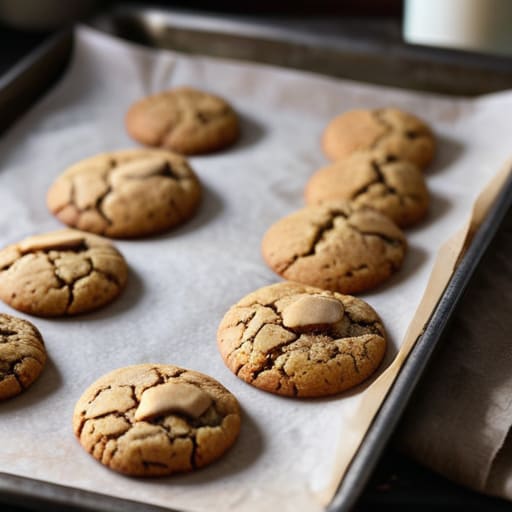
I spent twenty years in commercial kitchens where time was money and wasted movement was a sin. I’ve seen too many home cooks treat their expensive, heavy-duty baking sheets like they’re disposable, scrubbing away at burnt-on residue until they’ve stripped the finish right off the metal. It’s frustrating to watch. Most people think they need a specialized, high-tech silicone mat for every single recipe, but they’re just throwing money away on more kitchen clutter. The truth is, mastering proper parchment paper use is the simplest way to protect your gear and your sanity. It isn’t about following some fancy culinary trend; it’s about working smarter, not harder, so you aren’t spending your entire evening at the sink.
I’m not here to sell you on a subscription box of gourmet liners or a dozen different gadgetry. Instead, I’m going to give you the straight truth on how to use what you have to get consistent, professional results. We’re going to cover the practicalities of heat limits, how to stop those flimsy sheets from sliding around, and when it’s actually worth the cost to reach for the parchment. This is about building a functional kitchen that serves you, one sheet at a time.
Table of Contents
The Truth About Parchment Paper vs Wax Paper
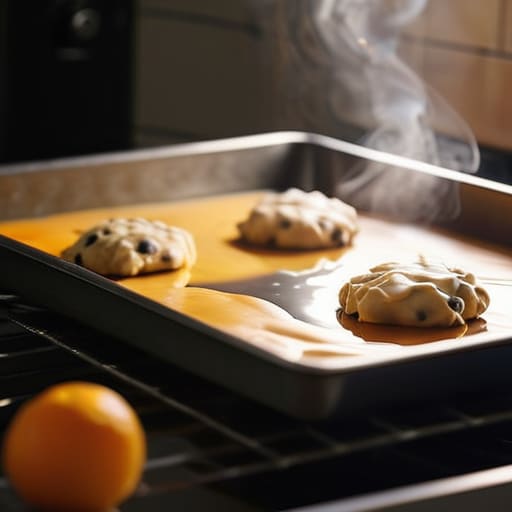
I see this mistake happen in home kitchens all the time: someone reaches into the pantry, grabs a roll of wax paper, and tries to bake cookies on it. Stop right there. The fundamental difference between parchment paper vs wax paper comes down to one thing: heat. Wax paper is coated in a thin layer of paraffin wax designed to keep food from sticking while it’s cold, like wrapping a block of cheese or lining a sandwich container. If you put that in a hot oven, that wax is going to melt, smoke, and potentially ruin your entire batch of food.
Parchment paper, on the other hand, is treated with silicone, which makes it much more durable and stable. This is what you need for preventing food sticking in oven environments. Because it’s designed to handle high temperatures, you can roast vegetables or bake delicate pastries without worrying about a greasy mess. While some people swear by silicone coated baking paper for its longevity, a good, standard roll of parchment is a reliable, no-nonsense staple that every functional kitchen needs. Just remember: if it’s meant to wrap a sandwich, it’s not meant for the oven.
Preventing Food Sticking in Oven With Precision
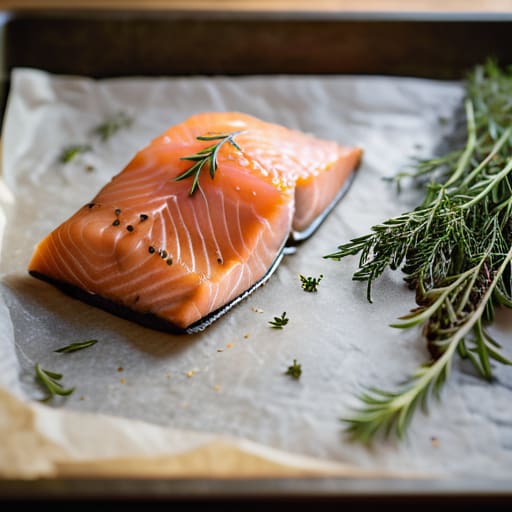
If you’ve ever spent ten minutes scraping burnt bits off a pan, you know that frustration well. Most people think they need to heavy-hand the grease to keep things from sticking, but that’s a recipe for a greasy mess. When it comes to preventing food sticking in oven settings, the secret is using your parchment as a literal barrier between the heat and your ingredients. It creates a non-stick surface that allows for even heat distribution without the need for excessive oil or butter.
However, don’t just throw any sheet in there and hope for the best. You have to be mindful of parchment paper temperature limits; most standard sheets start to degrade or even smoke once you cross that 425°F mark. If you’re doing high-heat roasting or searing, check your packaging first. I always pair my parchment with heavy-duty heat resistant baking sheets to ensure the base stays flat and stable. It’s about creating a controlled environment so you can focus on the seasoning, not the cleanup.
Five Ways to Use Parchment Without Making a Mess
- Stop overcomplicating your cleanup by lining your sheet pans every single time; it saves your pans from baked-on grease and keeps your kitchen workflow steady.
- Use it to create “en papillote” packets for fish or vegetables, which steams the food in its own juices and keeps things incredibly moist without needing extra oil.
- When you’re rolling out dough for biscuits or pie crusts, place it between the dough and your rolling pin to prevent sticking and avoid the mess of extra flour.
- Don’t let it go to waste when baking cookies; use a fresh sheet for every batch to ensure even heat distribution and prevent the last tray from burning due to old sugar buildup.
- Keep a roll in your pantry for quick, small-scale tasks like lining a single baking dish or even protecting a countertop from a messy sauce reduction.
The Bottom Line on Parchment Paper
Stop confusing parchment with wax paper; one is a heat-stable tool for the oven, while the other is just a way to wrap leftovers and will smoke or melt if you get it too hot.
Use parchment paper as a way to protect your expensive bakeware and cast iron from stubborn, burnt-on messes that end up wasting your time during cleanup.
View parchment paper as a functional necessity rather than a luxury—it’s about making the kitchen work more efficiently so you can spend less time scrubbing and more time actually eating.
The Real Value of a Simple Sheet
“I’ve seen enough expensive, non-stick pans ruined by stubborn residue to know that parchment paper isn’t just a convenience—it’s an insurance policy for the tools you actually care about.”
Rosalind Hayter
Stop Overcomplicating Your Kitchen
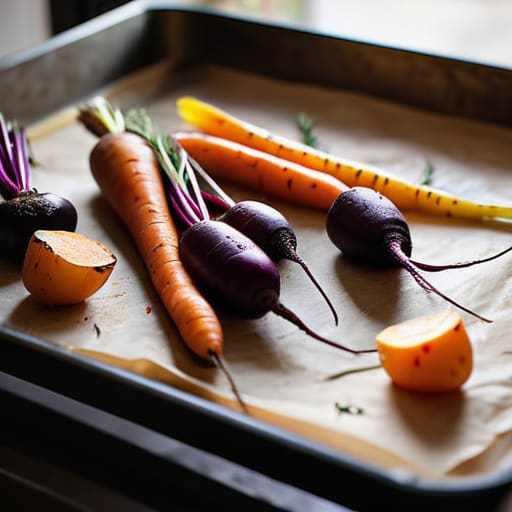
At the end of the day, parchment paper isn’t some fancy culinary secret; it’s just a sensible tool for a functional kitchen. We’ve covered why you need to keep it far away from wax paper to avoid a smoke-filled kitchen, and how using it correctly prevents you from scrubbing ruined pans in the sink. Whether you’re roasting vegetables or baking delicate pastries, remember that the goal is to minimize cleanup and maximize consistency. Don’t let the temptation of expensive, non-stick gadgets distract you from the fact that a simple, high-quality sheet of parchment can do the heavy lifting for a fraction of the cost.
My philosophy has always been that a well-run kitchen relies on smart systems, not expensive clutter. When you master the basics—like knowing exactly when to reach for parchment—you stop fighting your equipment and start actually enjoying the process of making food. Invest in the habits that make your life easier, and stop wasting your energy on unnecessary friction. Build a kitchen that works for you, one reliable tool at a time, and I promise you’ll find yourself spending much less time cleaning up and much more time actually eating.
Frequently Asked Questions
Can I reuse parchment paper if I'm just doing a light bake, or is that just asking for a mess?
You can reuse it, but don’t get greedy. If you’ve just baked something dry, like cookies, and the sheet looks clean, go ahead and use it again for a light bake. However, the moment you see grease stains or burnt-on bits, toss it. Trying to scrub old parchment is a waste of your time, and a dirty sheet will only ruin your next batch. Use it twice, then let it go.
Is it actually safe to use parchment paper in an air fryer, or am I going to cause a fire hazard?
Here’s the short answer: Yes, it’s safe, but you have to use it correctly. The danger isn’t the paper itself; it’s letting it fly up into the heating element. Never put a loose sheet of parchment in an air fryer without enough food weight on top to pin it down. If that paper hits the coil, you’ve got a fire on your hands. Keep it weighted, and you’ll be just fine.
How do I stop the paper from sliding around every time I try to move a tray in the oven?
There is nothing more frustrating than a sheet of parchment sliding mid-bake and nearly causing a spill. To keep it anchored, use a tiny dab of pesto, a smear of softened butter, or even a little bit of heavy cream at the corners of your tray. It acts like edible glue. If you’re not using fats, just make sure you trim the paper so it doesn’t overhang the edges of the pan.
