I’ve spent enough years in commercial kitchens to know that most people approach greenery like they approach kitchen gadgets: they buy the most expensive, high-tech setup they can find, only to watch it die on the windowsill two weeks later. I see these sleek, plastic hydroponic kits in every lifestyle shop lately, and frankly, they’re a waste of your hard-earned money. If you’re looking for a magic button to solve your problems, you’re in the wrong place; learning how to maintain a herb garden isn’t about owning the latest smart-sensor gadget, it’s about understanding the rhythm of the plant and the soil it lives in.
I’m not here to sell you on a complicated lifestyle brand or a dozen unnecessary accessories. Instead, I’m going to give you the straight truth based on decades of seeing what actually survives a busy kitchen environment. I’ll show you how to pick the right vessels—think real terracotta, not cheap plastic—and how to develop the simple, consistent habits that keep your basil from turning to mush. My goal is to help you build a functional, lasting system that serves your cooking, rather than becoming another chore on your to-do list.
Finding the Best Soil for Herb Gardens and Longevity
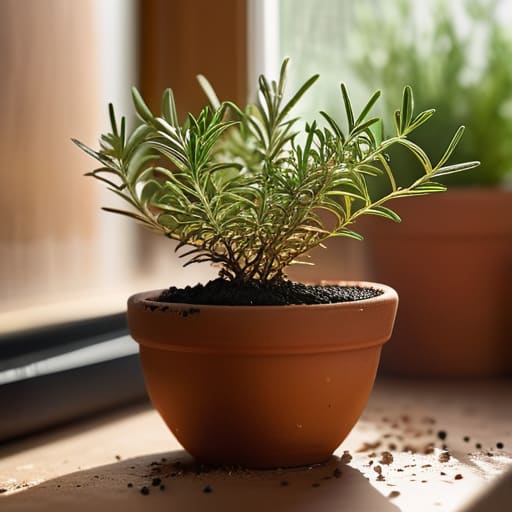
If you’re looking for the best soil for herb gardens, stop looking at the cheap, heavy bags of dirt at the big-box stores. Most of that stuff is packed too tight, which suffocates the roots and turns your kitchen windowsill into a swamp. Herbs like rosemary and thyme crave drainage; they want to feel a bit of grit under their roots. I always tell my clients to aim for a high-quality, well-draining potting mix that includes perlite or coarse sand. If the soil doesn’t let water pass through easily, you’re just inviting root rot.
Once you have the right foundation, you can stop worrying about constant fertilizing culinary herbs with those synthetic, blue-liquid chemicals that smell like a laboratory. Most herbs are actually quite lean eaters. If you use a decent organic compost to start, you’ll find they thrive on neglect rather than constant feeding. A good, airy soil structure does most of the heavy lifting for you, ensuring your plants stay resilient enough to handle the occasional oversight in your routine.
Mastering Your Herb Garden Watering Schedule for Consistent Flavor
Most people treat watering like a chore they can check off a list once a week, but if you want flavor, you have to pay attention to the plant, not the calendar. If you’re looking for a reliable herb garden watering schedule, the first rule is to stop guessing. Stick your finger an inch into the dirt; if it feels dry, water them. If it’s damp, leave them alone. Overwatering is the fastest way to invite root rot, and frankly, it’s a waste of good plants.
I’ve seen too many people drown their basil in an attempt to be “helpful,” only to end up with mushy, flavorless leaves. For Mediterranean herbs like rosemary or thyme, you want that soil to dry out significantly between drinks. However, if you’re working with indoor herb garden care tips, remember that your windowsill might dry out much faster than a backyard plot. Consistency is what builds strong, aromatic plants. It’s about finding the rhythm of the plant so that the oils—the stuff that actually makes your cooking taste good—don’t get diluted by a constant soak.
Five No-Nonsense Habits for a Productive Herb Garden
- Stop letting your herbs go to seed. If you see a flower spike starting to form, pinch it off immediately. Once an herb flowers, the leaves get bitter and the plant thinks its job is done, so it stops producing that fresh flavor you actually want for your cooking.
- Get yourself a decent pair of sharp shears. Don’t try to hack away at your basil with dull kitchen scissors or your fingernails; you’ll just crush the stems and invite rot. A clean, sharp cut helps the plant heal quickly and encourages new, bushy growth.
- Don’t be afraid to harvest aggressively. I see people hovering over their pots, terrified to take a single leaf. If you don’t use them, they’ll get woody and leggy. Regular harvesting tells the plant to keep working, keeping it dense and useful.
- Watch out for the “plastic pot trap.” If you’re growing in containers, make sure they actually drain. I’ve seen too many people buy cute, decorative ceramic pots that have no holes in the bottom, effectively drowning their expensive herbs in a swamp of stagnant water.
- Keep an eye out for the uninvited guests. You don’t need a laboratory to check for pests; just get in there and look under the leaves once a week. If you catch an aphid infestation early, you can usually handle it with a simple spray of water rather than reaching for some chemical nonsense.
The Long Game with Your Herbs
At the end of the day, maintaining a herb garden isn’t about following a complex manual or buying every high-tech gadget on the market. It comes down to the fundamentals we’ve discussed: investing in quality soil that actually feeds your plants and finding a watering rhythm that respects the specific needs of each herb. If you get the foundation right—the dirt and the moisture—the rest of the work becomes much more intuitive. Don’t get distracted by the fancy hydroponic setups or those expensive, plastic-heavy kits that promise instant results; focus on the basics and let the natural process do the heavy lifting for you.
I’ve spent years in professional kitchens where we treated ingredients with a level of respect that most home cooks overlook, and I want you to bring that same mindset to your windowsill or backyard. A herb garden is a living thing, not a kitchen appliance, and it requires a bit of patience and a lot of observation. It won’t always be perfect, but there is a profound satisfaction in clipping something you grew yourself to finish a meal. Stop looking for the quick fix and start building a relationship with your plants. Once you master the habit, you aren’t just growing herbs; you’re cultivating a more intentional way of cooking.
Once you’ve got your soil and your watering rhythm down, you need to think about the environment where these plants actually live. I’ve seen too many people buy beautiful herbs only to watch them wither because they didn’t account for the local climate or light levels in their specific corner of the world. If you’re feeling a bit lost on which varieties will actually thrive in your backyard, I always suggest doing a little local digging first. For instance, if you’re navigating the specific growing conditions around t4m perth, you’ll find that local knowledge is far more valuable than any generic gardening book. Understanding your specific microclimate is the only way to ensure you aren’t just throwing money at plants that were never meant for your zip code.
