I’ve spent twenty years in commercial kitchens, and if there is one thing that makes my blood boil, it’s seeing a countertop cluttered with “specialty” gadgets that do exactly one thing before ending up in a junk drawer. You don’t need a machine that specifically slices only radishes or a motorized herb stripper; you need to understand the actual food processor basics so you can stop throwing money at plastic nonsense. Most people walk into an appliance store and get seduced by shiny buttons and endless attachments, but in my experience, complexity is usually just a mask for poor engineering.
I’m not here to sell you on a lifestyle or a high-priced brand name. My goal is to give you the straight truth about what actually matters: motor power, blade durability, and whether that bowl is actually easy to clean. I’m going to strip away the marketing fluff and show you how to select a machine that is a true workhorse for your kitchen. By the time we’re done, you’ll know exactly what to look for so you can invest in a tool that lasts a lifetime, rather than a trend that breaks by next season.
Table of Contents
Essential Kitchen Appliance Essentials for the Serious Cook
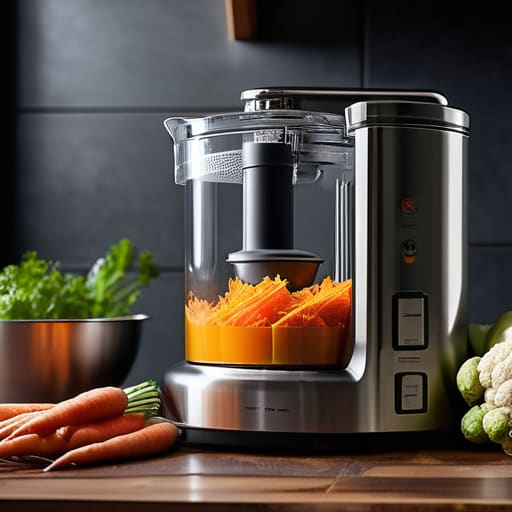
When you’re building out your kitchen, you need to distinguish between what’s “nice to have” and what’s actually going to earn its keep on your countertop. For me, the real kitchen appliance essentials aren’t the ones with the most buttons; they’re the ones that handle the heavy lifting without breaking a sweat. A serious cook doesn’t need a dozen single-use tools. You need a machine with enough motor power to handle dense vegetables and a sturdy build that won’t rattle itself to death during a prep session.
Once you have a reliable machine, the real skill lies in mastering your technique. Don’t just mash the button and hope for the best. If you want consistent results, you need to understand chopping vs slicing techniques and when to rely on the machine versus a manual knife. I always tell my clients to pay close attention to the pulse function; it’s your best friend when you want to avoid turning your salsa into a watery puree. It’s about control, not just speed.
How to Use a Food Processor Without Wasting Effort
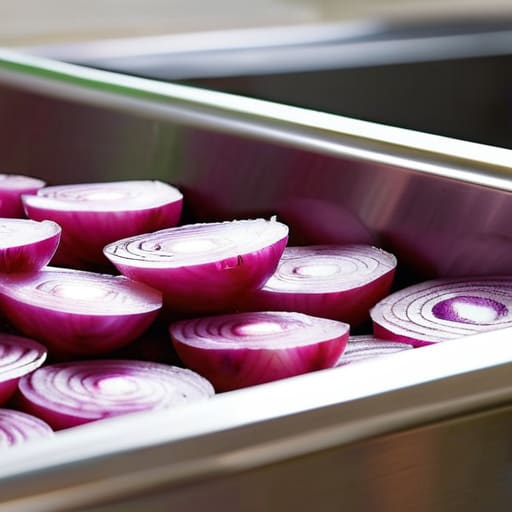
Most people treat a food processor like a blunt instrument, slamming it on high speed and wondering why they end up with onion mush instead of a fine dice. If you want to actually master how to use a food processor effectively, you have to respect the blade. The secret is in the rhythm. Instead of letting the motor run continuously, you need to master the pulse function explained in most manuals—use short, controlled bursts to maintain control over the texture. If you leave it running, you aren’t prepping; you’re pulverizing.
Another mistake I see is treating every task the same way. You have to distinguish between your chopping vs slicing techniques depending on the job at hand. If you’re making a mirepoix, use the S-blade and pulse. If you need uniform mandoline-style veggies for a salad, swap to the disc attachment. Using the wrong tool for the job is the fastest way to turn a professional-grade prep session into a wasted effort. Stop fighting the machine and start working with its natural mechanics.
Five Ways to Stop Treating Your Food Processor Like a Toy
- Stop overcrowding the bowl. I see people trying to shove an entire head of cauliflower in at once, and all they end up with is a mushy mess. Work in batches. If you want clean, distinct pieces, give the blades room to breathe.
- Sharpen your knife skills first. A food processor isn’t a magic wand that replaces a chef’s knife; it’s a tool for volume. If you need a delicate chiffonade of basil, use your knife. If you need to prep three pounds of onions for a base, use the machine. Know the difference.
- Don’t ignore the prep work. If you’re processing something dense like carrots or potatoes, slice them into uniform chunks before they hit the bowl. If the pieces are wildly different sizes, the small ones will turn to liquid before the big ones even start moving.
- Clean it immediately. This is non-negotiable. If you let starch or vegetable residue dry in those plastic crevices, you’ll be scrubbing for an hour next time. Rinse it under hot water the second you’re done, and you’ll actually enjoy using it again tomorrow.
- Invest in quality, not bells and whistles. You don’t need a machine with twenty different attachments that you’ll only use once. Find a heavy-duty model with a powerful motor and a sturdy bowl. A motor that struggles with a simple dough is a motor that’s going to burn out in two years.
My Bottom Line for Your Kitchen
Stop chasing every new gadget on the market; invest in one heavy-duty food processor with a powerful motor and buy it once.
Efficiency comes from proper technique and knowing your machine’s limits, not from just pressing buttons and hoping for the best.
Treat your equipment like a professional would—clean it thoroughly after every use and store it properly so it actually lasts you a lifetime.
## The Truth About Your Countertop
A food processor shouldn’t be a glorified paperweight sitting in your cupboard; it’s a heavy-duty workhorse that earns its keep by doing the tedious chopping and grinding that used to take you twenty minutes of manual labor.
Rosalind Hayter
Making It Work for You
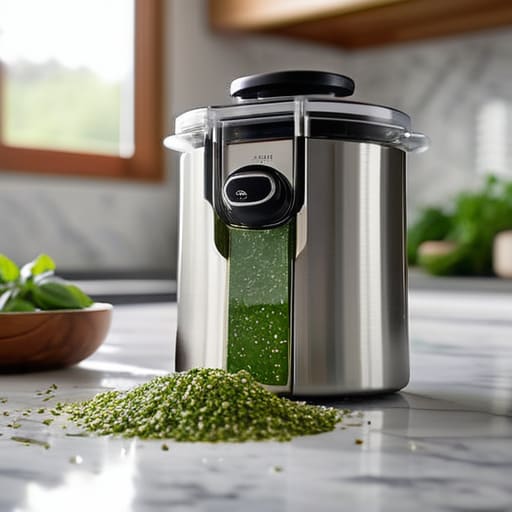
At the end of the day, a food processor shouldn’t be a source of clutter or a complicated puzzle you have to solve every time you want to make a pesto or a pie crust. Remember that the goal is efficiency, not complexity. Invest in a machine with enough motor power to handle real work, choose attachments that actually serve a purpose, and most importantly, don’t be afraid to use it. If you follow the basics we’ve discussed—keeping your blades sharp and your workspace organized—you’ll find that this tool becomes a reliable workhorse rather than a dusty ornament in your cabinet. Stop overthinking the tech and start focusing on the utility.
My time in commercial kitchens taught me that the best tools are the ones that disappear into your workflow because they work so seamlessly. A good food processor is exactly that; it’s a silent partner in your kitchen that saves your hands from repetitive chopping and saves your time for the parts of cooking you actually enjoy. Don’t get distracted by every shiny new feature advertised on late-night shopping channels. Stick to the fundamentals, buy for longevity, and build good habits. Once you master the rhythm of your equipment, you aren’t just making food faster—you’re reclaiming your time and your sanity.
Frequently Asked Questions
Is it actually worth spending the extra money on a high-end model, or can I get away with a cheaper version from a big-box store?
Look, I’ve seen too many people buy a $40 plastic unit from a big-box store only to have the motor burn out the first time they try to chop something dense like a sweet potato. It’s a waste of money. If you cook more than twice a week, buy the high-end model with the heavy-duty motor and metal components. You aren’t just buying an appliance; you’re buying the ability to actually use it for the next decade.
How do I know if my specific cooking style actually requires a food processor, or if I'm just buying more counter clutter?
Look at your prep work. If you find yourself spending forty minutes every Sunday dicing onions, carrots, and celery for a single batch of mirepoix, you need a processor. If your cooking relies on heavy chopping, making homemade pesto, or turning nuts into flour, it’s a tool. But if you mostly cook simple proteins and quick sautés, that machine is just going to collect dust and take up precious counter space. Don’t buy the hype; buy the utility.
What are the best ways to clean the blades and attachments without risking a trip to the emergency room or ruining the edges?
Look, I’ve seen enough kitchen accidents to know that a dull, dirty blade is a recipe for disaster. Never scrub those blades with a sponge in your hand; you’re asking for a trip to the ER. Instead, fill the bowl halfway with warm, soapy water and let the machine do the work for you. Pulse it for a few seconds, then rinse. If you must hand-wash, use a long-handled brush to keep your fingers far away from the edge.
